Rise in energy cost due to the West Asian crisis was a matter of concern and it has started impacting air conditioner (AC) manufacturers as well as consumers, industry officials said.
However, they said recent localization and shifting of manufacturing units to India by large players has insulated them from supply chain disruptions. The rise in raw material prices is also causing challenges.
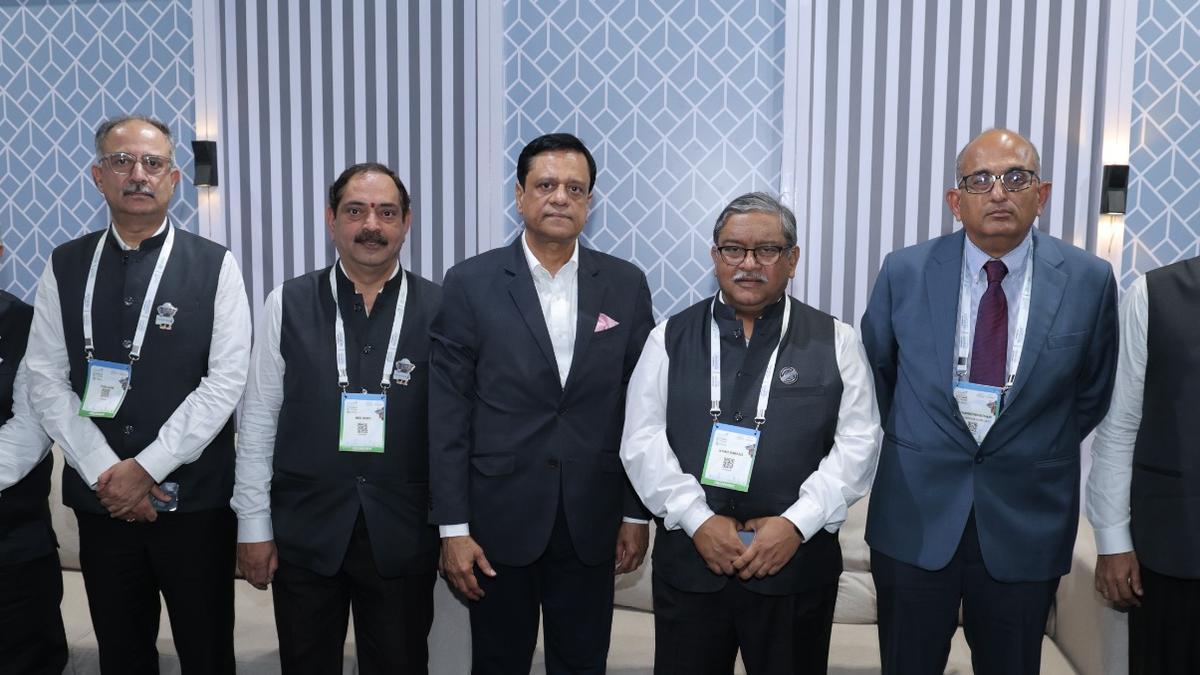
“We have been facing challenges in terms of raw metal prices, particularly copper which is a major ingredient for the Heating, Ventilation and Air Conditioning ( HVAC) industry. So the cost of equipment has become very high,” said Jayanta Kumar Das, Society President, Indian Society of Heating, Refrigerating and Air Conditioning Engineers (ISHRAE), a technical society dedicated to advancing the HVAC & Refrigeration industry.
“As far as the geo-political situation is concerned the rise is energy costs is affecting everybody. This will be affecting cost. But the advantage for us is that all major manufacturers had shifting their factories to India and this is giving them a positive impact of insulating them from supply chain disruptions,” Mr Das said while speaking at industry event ACREX India organised by ISHRAE in Mumbai.
Highlighting the strong growth trajectory of the HVAC industry, Mukundan Menon, Managing Director, Voltas Ltd, said, “The Indian HVAC industry is at the cusp of significant expansion, with the sector expected to grow at nearly 15% annually, potentially doubling within the next five years.”
“Currently, about 15 million residential AC units are sold in India each year, and this is projected to reach around 30 million units by 2030,” he said.
He said the recent GST reduction on ACs from 28% to 18% would stimulate demand, and first visible impact is expected during the summer of 2026.
“While the industry is managing cost pressures from rising copper prices, currency fluctuations and increased logistics costs due to geopolitical developments, most manufacturers have already secured supplies for the upcoming season so the impact would be minimised. Overall, the demand outlook for India remains extremely strong with significant opportunities ahead,” he emphasized.
Ravichandran Purushothaman, President, Danfoss Industries Private Ltd while speaking at the ACREX India event, said, “Over the past three years, the HVAC industry in India has nearly doubled in size, with a significant shift toward local manufacturing and the government’s focus on reducing import dependence in the cooling sector.”
“Looking ahead, the opportunity is substantial. As per the India Cooling Action Plan, cooling demand in India is expected to grow eightfold by 2038. On the commercial side, rapid expansion in semiconductor facilities, advanced manufacturing and data centres is driving demand for high-performance cooling solutions,” he said.
“At the same time, the industry is focusing on energy-efficient, water-efficient and carbon-efficient technologies, increasing localisation in electronics and strengthening new skill capabilities. Together, these developments are shaping a resilient and innovation-driven cooling ecosystem for India’s future growth,” he pointed out.
Amod Dikshit, Chairman, ACREX India, said, “India’s rapid infrastructure expansion and growing dependence on cooling across sectors such as data centres, district cooling, airports, hospitals, hotels and metro rail projects is creating a significant opportunity for the HVAC industry over the next decade.”
“As this demand accelerates, the industry is focusing on localising the production of key sub-assemblies, strengthening capabilities and advancing more energy-efficient technologies. Cooling already accounts for nearly 40% of India’s electricity demand, which makes efficiency and sustainability critical priorities,” he highlighted.
“With the Bureau of Energy Efficiency progressively upgrading standards every two years by about 7–10%, the industry continues to move towards more energy-efficient solutions. At this juncture, ACREX India provides the industry with an important platform to accelerate innovation, strengthen collaboration and shape the future of sustainable cooling in India,” he said.
Despite analysts estimating a compound annual growth rate of between 12% and 16%, air conditioner penetration in India currently remains at around 10% of households, highlighting a vast untapped opportunity for cooling solutions in the coming decade.
Demand is expected to expand significantly alongside the growth of commercial real estate, healthcare infrastructure, transportation hubs, manufacturing facilities, and data centers across the country.
Globally, the HVAC industry is entering a significant expansion phase, with the market projected to reach nearly $445 billion by 2033, while HVAC systems already account for close to 40% of total building energy consumption worldwide.
The Indian HVAC market is projected to reach $29.4 billion by 2030, highlighting the growing need for industry platforms that accelerate innovation and support sustainable sectoral growth, industry officials said.
In response, the industry is rapidly shifting toward sustainable and energy-efficient technologies.
Innovations such as AI-enabled smart HVAC systems, Variable Refrigerant Flow (VRF) technologies, natural refrigerants, district cooling systems, and advanced data center cooling solutions are transforming the sector.
These technologies are helping reduce energy consumption, lower emissions, and support global climate goals while meeting the rising demand for efficient cooling solutions, industry officials said.
At ACREX India global industry leaders, including Daikin, Voltas, Danfoss, Schneider Electric, Panasonic, and Blue Star, are showcasing next-generation cooling technologies.
At the show Voltas Ltd along with its subsidiary Universal MEP Projects and Engineering Services Ltd (UMPESL) unveiled its most advanced portfolio of smart, energy-efficient and environmentally responsible cooling solutions.
Voltas introduced a new range of VRF indoor units, now powered entirely by BLDC motor technology for higher energy efficiency, greater savings and quieter performance.
The lineup features the ultra slim One Way Cassette AC, engineered at just 130 mm, one of the slimmest in its class, ensuring seamless installation in compact spaces. The Standard 4 Way Cassette AC now comes with an expanded capacity of up to 5 Ton, offering more powerful and flexible cooling solutions for diverse applications.
UMPESL also showcased its Infrastructure Solutions portfolio, spanning MEP, Electrical, and Solar offerings.
Panasonic Life Solutions India unveiled its comprehensive portfolio across Room Air Conditioners (RAC), Commercial Air Conditioners (CAC) including VRF systems, and Cold Chain solutions.
At the exhibition, Panasonic is showcasing its integrated climate solutions ecosystem, from smart residential air conditioners powered by the MirAIe connected living platform and AI-enabled VRF systems, to its latest Light Commercial innovations including the new 1-Way Cassette featuring nanoe™ X technology for enhanced indoor air quality.
The brand is also highlighting its focus on strong cooling performa5nce through technologies such as DustBuster, an auto ODU cleaning concept designed to enhance cooling efficiency and extend product life.
Hirokazu Kamoda, Managing Director, Panasonic HVAC & CC India, said,“India is one of the fastest-growing HVAC markets in the world and we are expanding our distribution footprint, strengthening our service network, and building deeper partnerships across the country.
Yoshiyuki Kato, Managing Director, Panasonic Electric Works, Panasonic Life Solutions India, said, “Indoor air quality is increasingly becoming a key determinant of building performance and long-term real estate value. Poorly managed indoor environments can affect occupant comfort, increase complaints, and ultimately impact occupancy and rental potential.”
“Through technologies such as nanoe™ X and BMS-enabled monitoring and optimisation, Panasonic enables building owners to maintain healthier indoor environments while improving operational efficiency. We believe that investing in better air quality and intelligent building management ultimately supports higher occupancy, stronger tenant satisfaction, and enhanced long-term asset value,” he added.
At ACREX India 2026, LG Electronics India is highlighting its latest smart climate solutions tailored for the Indian market. The showcase features the newly launched AI-powered ‘Multi Vi’ VRF system designed for enhanced performance and efficiency.