

Viineet Kumar Siingh in the show
| Photo Credit: Netflix
At this point, The Viral Fever’s (TVF), never-ending competitive exams storytelling has become so laboriously quantitative that there is little new to say that hasn’t been echoed before. The production house has begun to function as the same mass-producing entity it has vociferously stood against in the education sector. The biting simplicity of its underdog championing has become a vicious template, much like some humble IIT coaching class in Kota, which latched on to the crony euphemism of ‘demand and supply’ and sold a dream to hook thousands under its wing. Only, the dream has lost its shine.
Collaborating with streaming giant Netflix, TVF has long shredded its own legacy of breaking the clutter. The combined experiences of its much-famed engineer-turned-creators have grown woefully stale. The outsiders have become insiders. It is a creative coming-of-old-age

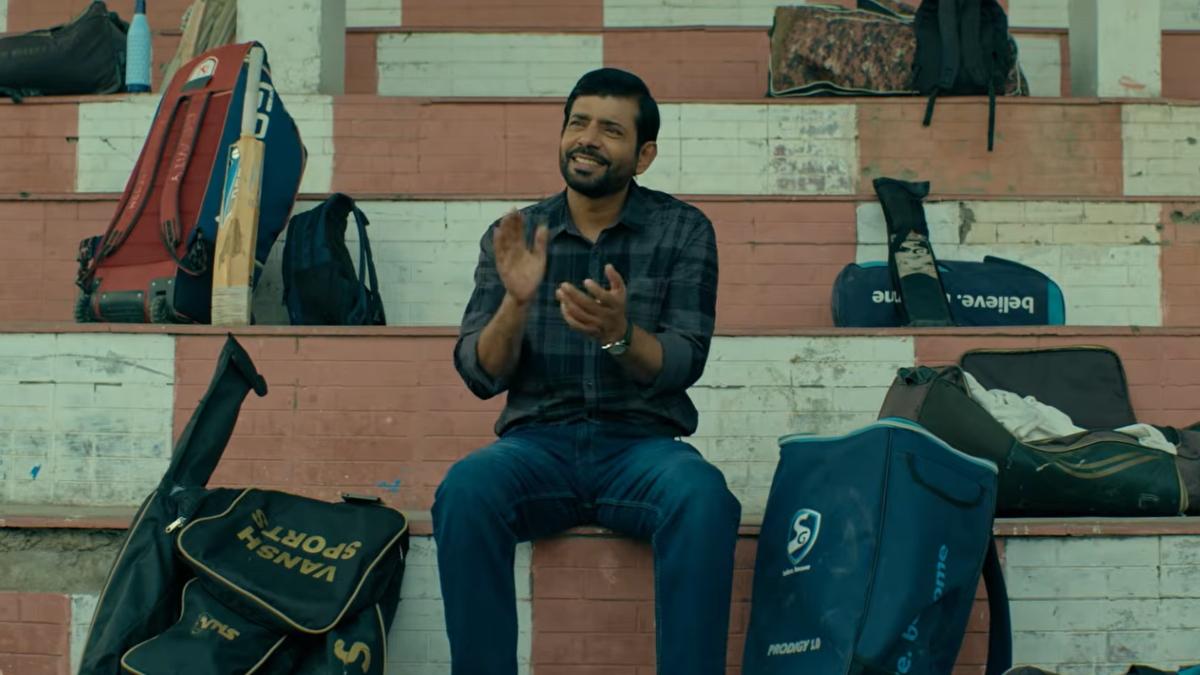
A still from the show
| Photo Credit:
Netflix
The latest offering in the same mix is Hello Bachhon, a crossover between the remains of The Kota Factory and the emotional capacity of a CSR advertisement. Recounting the story of Alakh Pandey (Viineet Kumar Siingh), the charismatic founder of the ed-tech company Physics Wallah, the show struggles to find its footing from the start. It begins with a sentimental push as we see Alakh coming out of a hospital wearing a blood-stained tee. Knowing the world of the show, it is not difficult to ascertain what has transpired, as a student’s suicide attempt has shaken up Alakh. As a sea of other students gang up around him for selfies, Alakh dials his sister and announces, “I am resigning from Physicswallah.”
Hello Bachhon (Hindi)
Episodes: 5
Runtime: 45-50 mins
Director: Pratish Mehra
Creator: Abhishek Yadav
Synopsis: An idealist physics teacher faces difficulties as he aims to build an affordable ed-tech platform to prepare for India’s competitive exams
The hook is too feeble, too direct. Even the structure appears loose as the story of Alakh navigating the profit-driven ed-tech space is intercut with the lives of students he impacts with his online video lessons. From the corporate world of Delhi, the landscape shifts to a village in Bihar where two kids struggle to buy a notebook to attend their school. Their conversations, however, sound overtly adult-like, as one of them offers to leave school and shift to the city so that he can fund his friend’s education. “When one man climbs out of the well of poverty, he can pull out five more out of it,” he reasons, sounding more like a sage than a kid.
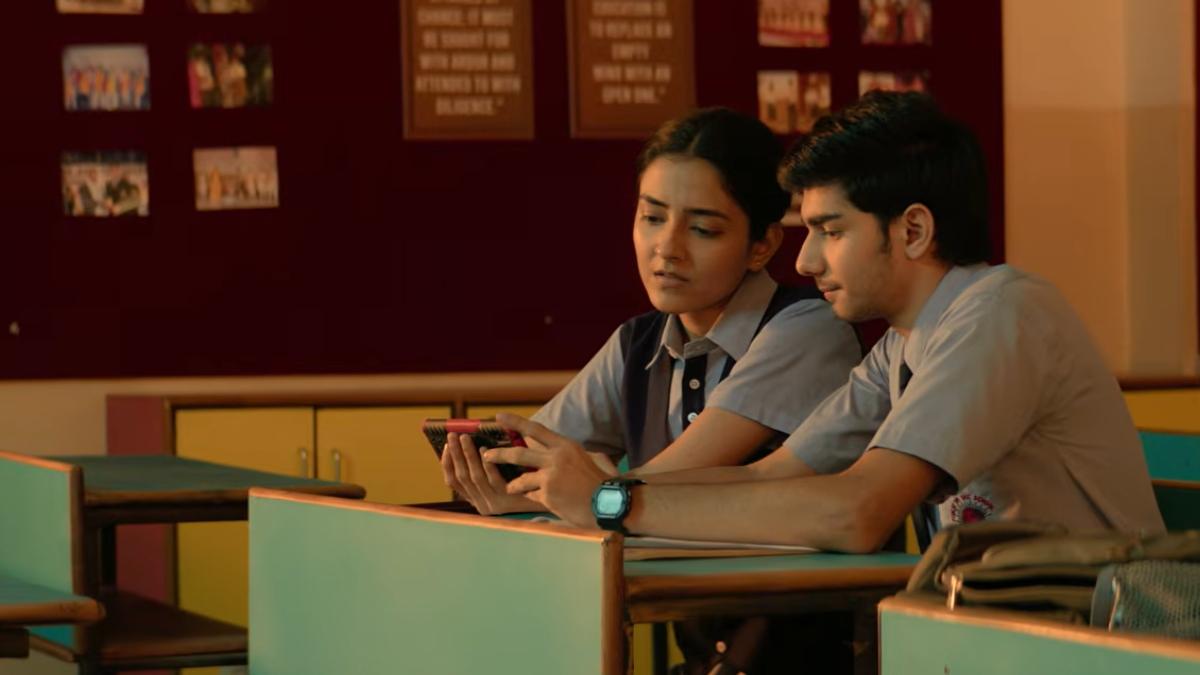
A still from the show
| Photo Credit:
Netflix
The show’s simplistic understanding of the world extends even to its laid-back aesthetics, where the colours become endlessly yellow to signify a change in location to Bihar. The visuals lack finesse, put together with a generic capacity that doesn’t quite suit the streamer’s oeuvre. Even the overall treatment of the writing is painfully straightforward, which looks at Alakh more reverentially than with a critical understanding. Due to this, the show ends up feeling more like a mouthpiece of Physics Wallah, which merely registers its journey from a broad perspective, never fully delving into the complexities. Even its critique of the ed-tech industry doesn’t quite strike out amidst the overbearing shallowness of its ideas.
There is little that Viineet can do here to elevate the themes, even though he is cleverly cast to play the idealistic teacher. The actor’s range is utilised for passionate speeches that he gives to students or in the tense clash with his father, which quickly brings to mind the raw confrontational scene from Anurag Kashyap’s Mukkabaaz. His performance in the 2019 boxing film, however, was coupled with a strong purpose that humanised his character. On the other hand, Hello Bachhon is content with just rattling the surface.
TVF’s long-standing insistence on breaking the ranker-focused competitive examination setup eventually peddles dreams of the same consumer economy, where the pressure to transform their lives is pushed on the poor without addressing larger systemic cracks. While seeming to question the status quo, their stories propagate a toxic-positive worldview where the onus is forever rested on individuals to make a difference. Early on in Hello Bachhon, children are shown breaking a wall with hammers in the village as upbeat music plays in the background. It is a deluded celebration of child labour, which is written off like an empty display of friendship. As Alakh scoffs at his father later, “Don’t glamourise poverty with your emotions.” We are with you on that, professor. But, is the show listening to your own promise?
Hello Bachhon is currently streaming on Netflix
Published – March 06, 2026 03:37 pm IST


