When Lakshya Sen concluded his season on November 23 with a 21-15, 21-11 win over Yushi Tanaka in the Australian Open final, he ended a title drought stretching back exactly 51 weeks to the day. It was a long-awaited victory not just for the 24-year-old but also for fans of Indian badminton who have been starved of success for a while now.
For a sport that ostensibly is only behind cricket in terms of popularity, has successfully made the transition from a recreational activity to a bonafide professional endeavour and, most importantly, has had the results to back its lofty status, Indian badminton has endured a rather long slump. And looking at the current scenario, it appears set to continue for a while.
Worrying signs
At the recent Syed Modi India International in Lucknow, Treesa Jolly and Gayatri Gopichand were the only Indians across the five competition categories to finish on top, retaining their title in the process. This, when almost 70% of the entries were Indians, with just a smattering of foreign names in the fray. Most top players had either not entered or withdrawn. Kidambi Srikanth, grinding his way back to the top echelons after a long spell of injury- and marriage-forced abstention, managed to reach the final.
And this was only a Super 300 event on the Badminton World Federation’s World Tour — technically, a Tier-V competition behind the World Tour Finals, Super 1000s, Super 750s and Super 500s. The last time an Indian man won a singles title in a top-four-tier event was two years ago (Lakshya). The last time an Indian woman did the same was three years back (P.V. Sindhu). For all its struggles with injuries and poor form, the Indian men’s pair of Satwiksairaj Rankireddy and Chirag Shetty remains the most consistent performer when it matters the most.
Indeed, in 2025, besides Lakshya, only three other Indians reached the final of a top-four tournament — Srikanth at the Malaysia Masters (Super 500) and Satwiksairaj and Chirag at the Hong Kong Open (Super 500) and China Masters (Super 750). The old warhorses are still going strong; the next generation, not so much.
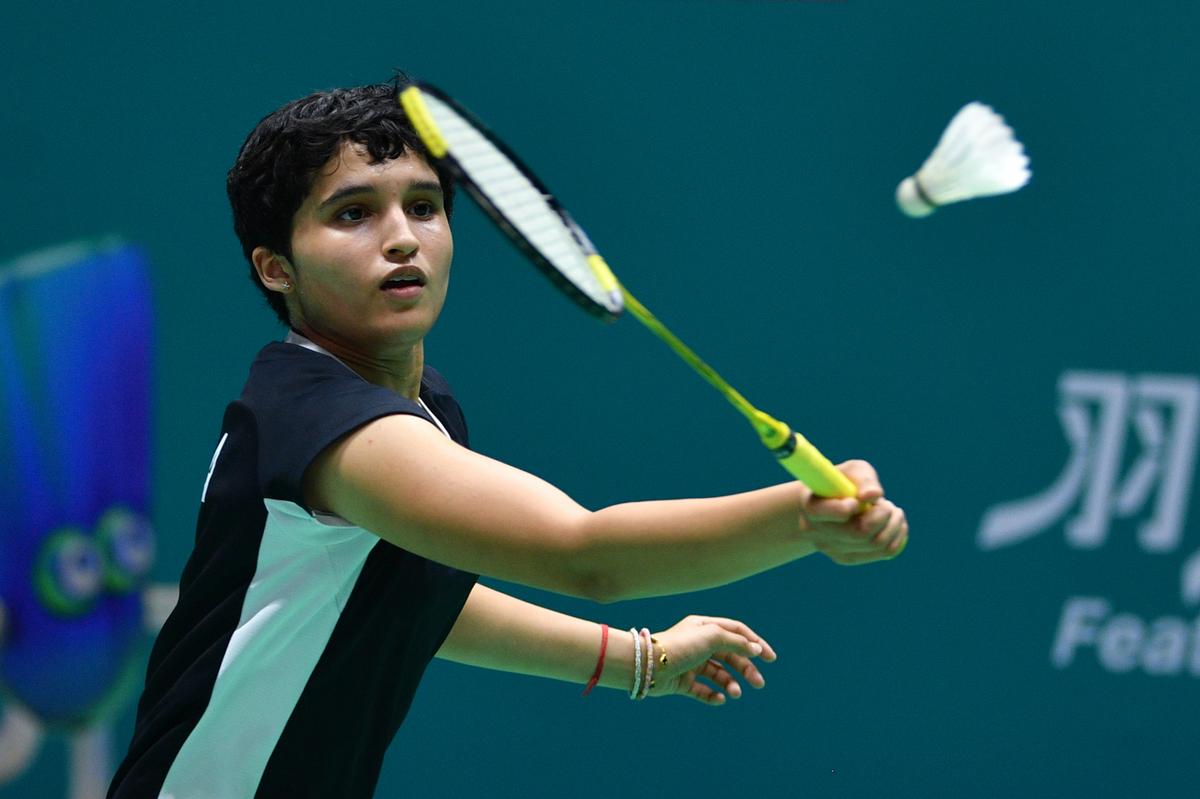
Top prospect: Just 18, Unnati Hooda has striven to raise the bar in her young career. She already has in her portfolio a win over stalwart P.V. Sindhu.
| Photo Credit:
Getty Images
“There was no centralised programme or even a plan to provide systemic training for the juniors earlier. We had two centres — in Bengaluru and Hyderabad — and only the top senior players would be training there, barring an occasional youngster who either had the means or was exceptional. With the NCOE in Guwahati, that has changed. It will take some time, but in the next three years, I am convinced we will see an entire generation of players dominating Indian and world badminton just like the previous one,” Badminton Association of India general secretary Sanjay Mishra insists.
The youngsters are there, no doubt. Tanvi Sharma has been on a roll, reaching the final of the World Junior Championships and the US Open, a Super 300 event. She upset Nozomi Okuhara in Lucknow and has been consistently doing well for a 16-year-old. Unnati Hooda and Anmol Kharb, both 18, have been raising the bar. The women, in fact, are much better placed in terms of long-term prospects than the men.
Besides Sindhu, India has six women in the top-50, four of them still in their teens, Anupama Upadhyaya 20 and Malvika Bansod the oldest at 24. In the World Junior rankings, India has four women in the top-10, with Tanvi topping the chart. But they all still need to cross the thin line that separates good players from the truly great.
Lakshya and the rest
It’s bleaker on the men’s side. While Lakshya is still only 24 and can continue for many more years, the next crop is already at a stage when they should, ideally, be challenging the best. Kiran George is 25, Priyanshu Rajawat 23 and Tharun Mannepalli 24. Fragile bodies and injuries haven’t helped any of them either. The only genuine next generation talent exciting enough to go all the way is 20-year-old Ayush Shetty.
“It is going to take another couple of years. We have Lakshya, who is still young, and the way he’s going, I think he’s going to be there for a fair bit. Ayush is coming up, Tharun was the next in line, Kiran George is anyway there. But there is inconsistency in them. Priyanshu came and then got injured, but his best is yet to come, probably next year. Others have to mature,” Parupalli Kashyap, former India star and now a coach, admits.
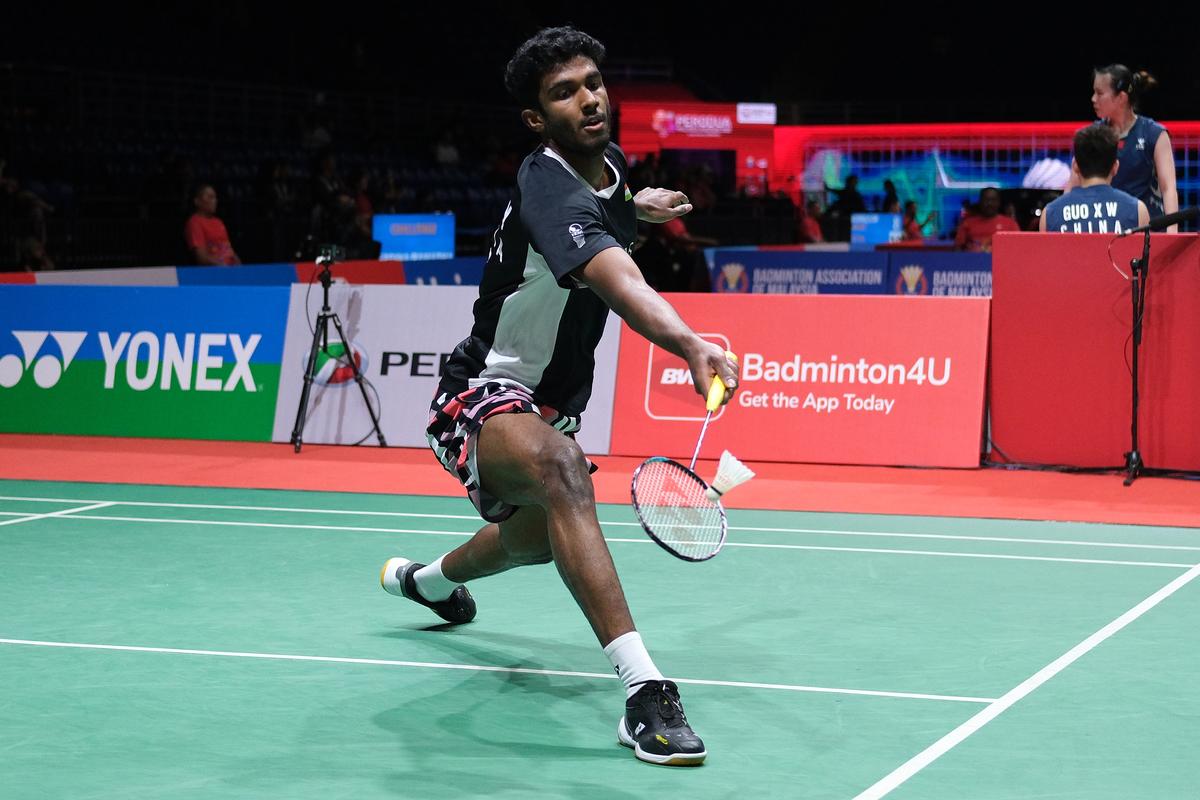
Ticking the right boxes: Among the next generation of male talent, 20-year-old Ayush Shetty looks to have the attributes needed to succeed on the big stage.
| Photo Credit:
Getty Images
He agrees that the system earlier was focused only on the seniors. “It’s the hustle of the Olympics. Of course you have to focus on the guys who qualify. But until last year, there was no proper funding for the next generation. A new academy opened up here and there, the responsibilities get divided, it’s everyone to themselves. The lag came because this system was getting scattered. It wasn’t handled well and I think it just fell apart for the next generation. But now again, the next ones who are 18-21, it will take 2-3 years.”
Less than a decade ago, Indian badminton had an abundance of superstars. From Saina Nehwal, Sindhu, Ashwini Ponnappa and Jwala Gutta to Srikanth, Kashyap, Ajay Jayaram, R.M.V. Guru Sai Dutt, the Verma brothers Sourabh and Sameer, Sai Praneeth and many more, it was a generation of achievers, with any of them capable of winning at any given tournament.
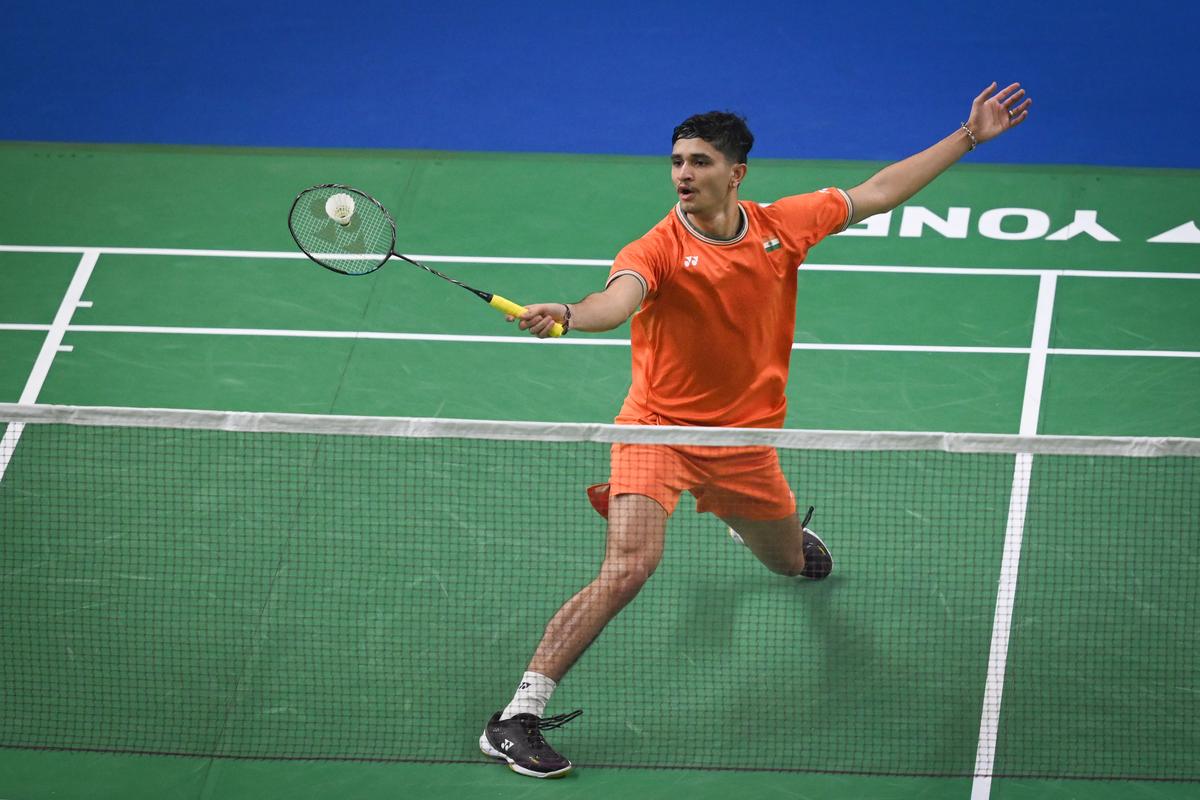
From pause to play: Injury has hampered Priyanshu Rajawat’s progress. Former India star Parupalli Kashyap believes the 23-year-old’s best is yet to come.
| Photo Credit:
Getty Images
“We competed with each other and travelled together. In-house competition has to be bred, at the least the top players and prospects have to be identified and [they must] train together, with one-two people taking decisions. They can be anyone, but they should be Indian and with full charge. Taipei is doing their own thing, Japan, Malaysia too. We don’t need to depend on foreigners,” says Kashyap.
Former India coach and BAI selection committee member U. Vimal Kumar had told The Hindu that the youngsters were fickle, running after ranking points and participation without thinking about the quality of opposition. “The 17-19 years is the age when you beat better players, create upsets because that’s when you are playing fearlessly and many are not doing that. By 20-23, you should be an established player and have beaten some good players,” he had said.
Patience needed
Kashyap concurs. “Very feisty and top-class youngsters are there. But everyone is messing up, they are in a hurry and constantly moving bases. We need them to be patient, especially the parents because I see some very weird decisions. No one’s thinking long-term about developing their game. Parents should be out, period.”
Mishra agrees and feels the only thing holding Indian youngsters back is mentality and confidence. “The talent is there. Even among men, there is Sanskar Saraswat, who recently won the Guwahati Masters. There is Rounak Chouhan and Suryaksh Rawat. There is Tanoo Chandra and Tanvi Patri and Vennala Kalagotla. The more they play and win, the more confidence they will get and that’s all they need,” he declares.