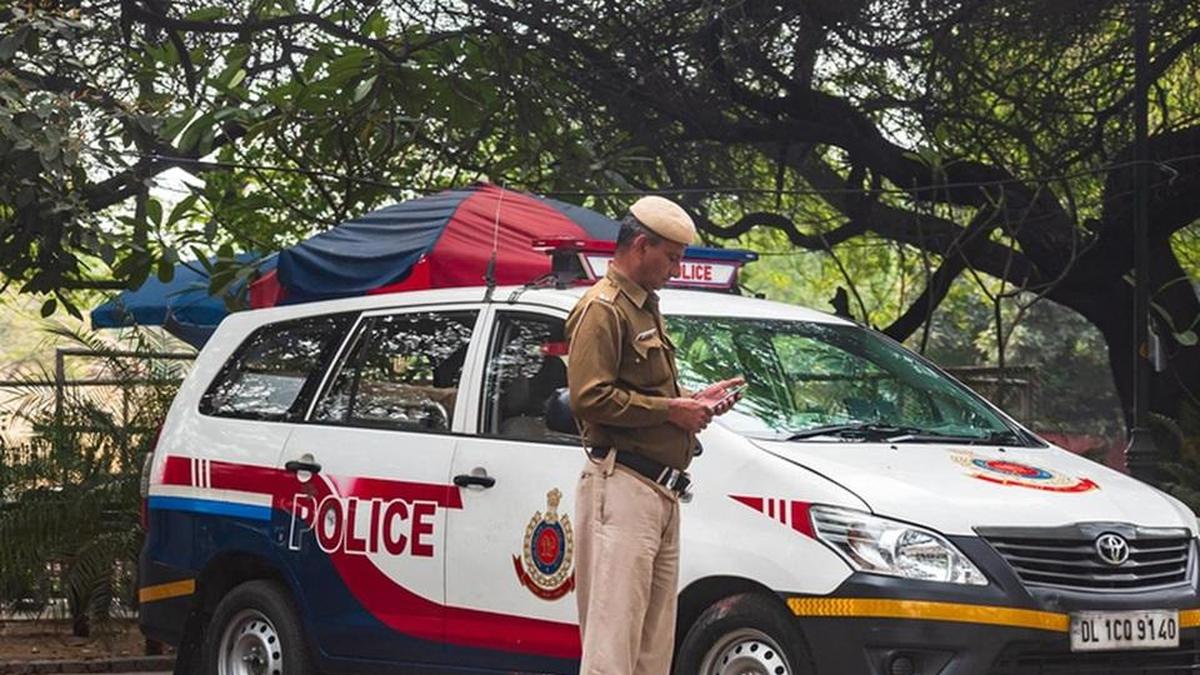
NATGRID has aided the Delhi police not just in investigating high-profile cases but also in their routine investigations, an officer said.
| Photo Credit: File Photo
Amid a push by the Ministry of Home Affairs to all police departments in the country to actively use the National Intelligence Grid (NATGRID), primarily intended as a counterterrorism tool, a senior Delhi Police officer said the intelligence-sharing platform has proved instrumental in dismantling organised crime networks.
“Earlier, getting information about a suspect involved seeking permissions and sending requests to several agencies. Now, with NATGRID, information gathering has become much easier as all data are available on one platform,” the officer told The Hindu.
The master database of NATGRID, conceived after the 2008 Mumbai terror attacks, contains information from at least 21 organisations. It stores information on tax records, bank accounts, financial transactions, immigration, vehicle ownership, toll payments, and train and flight bookings, among others. It also provides single-window access to FIRs registered at police stations across the country.
‘Not all aboard’
The officer said not all law enforcement agencies have fully adopted the information-sharing principle underpinning the platform, citing the November 10, 2025 Red Fort terror incident, which claimed the lives of 15 people. Details about Umar-un-Nabi, who was killed while driving the explosives-laden vehicle, were not uploaded to the platform by the police departments of two States, he said.
“There were no data on Nabi or his vehicle on the portal despite the push for inter-State intelligence sharing,” he noted. However, the officer added that Delhi Police, which was probing the case before it was handed over to the National Investigation Agency, was able to learn a lot about the other accused through NATGRID, which helped identify the suspects’ hideouts and movements.
Checks and balances
NATGRID has aided the Delhi police not just in investigating high-profile cases but also in their routine investigations, the officer said.
“When a gold kalash (urn) was stolen during a Jain ceremony near Red Fort, we matched the CCTV image of the suspect with the photo on his passport available on NATGRID,” the officer explained.
Another officer said a log is maintained for all requests to retrieve information from the database, even for persons not named in FIRs, to ensure accountability. “Officers have to take permission from their superiors to access data, and a log is maintained against their names.”
Published – January 18, 2026 12:49 am IST