For nearly a century, the Academy of Motion Picture Arts and Sciences has functioned as the high priest of cinematic prestige. Yet for the better part of that history, it has treated animation with an approach one might reserve for a child prodigy, frequently impressed by it but not in a “grown-up” way.

In 2002, the Academy tried to rectify this by introducing the Best Animated Feature category. The Academy undoubtedly, wanted animated motion pictures to be recognised globally and it has, to some extent, achieved its intent. However, along the way, the category for Best Animated Feature has also evolved into a silo, akin to a “kids’ table” where masterpieces are sent to be acknowledged so they don’t clutter up the serious conversations in the Best Picture, Director or Screenplay categories.
Also read: Column | Damage control at the Oscars?
As we move through the 2026 awards cycle, this disconnect is proving to be more and more stark. Given the global creative explosion of the animation film industry, it is only reasonable that it appears in more categories that were previously elusive to the medium. Nonetheless, the silo is obstructed by a structural barrier that keeps the most innovative of works from achieving its historical parity.
The persistence of the Disney-Pixar-Dreamworks trio
For over two decades, the animated film industry has been witnessing what is called the “Big Three” monopoly. Disney and its subsidiary Pixar along with Dreamworks, has been dominating the animation scene persistently, giving obsequious validation to a specific aesthetic, that is the 3D CGI family epics.
Also read| Oscars 2026: A night of cinematic triumphs and record-breaking wins explored
Since 2002, exceptions to this CGI trend have been very rare. It took until 2006 for a claymation film (Wallace &Gromit: The Curse of the Were-Rabbit) to win, and until much later with Sony’s Spider-Man: Into the Spider-Verse, as well as as Guillermo del Toro’s Pinocchio to break the streak. While last year’s victory of a Latvian independent dialogue-free film Flow, seems to have cracked the code, the conundrum remains. It is that the Academy sticks to the notion of rewarding films that look like what they expect an animated film should look like, and that’s being family-friendly and confined to fixed moral dichotomies.
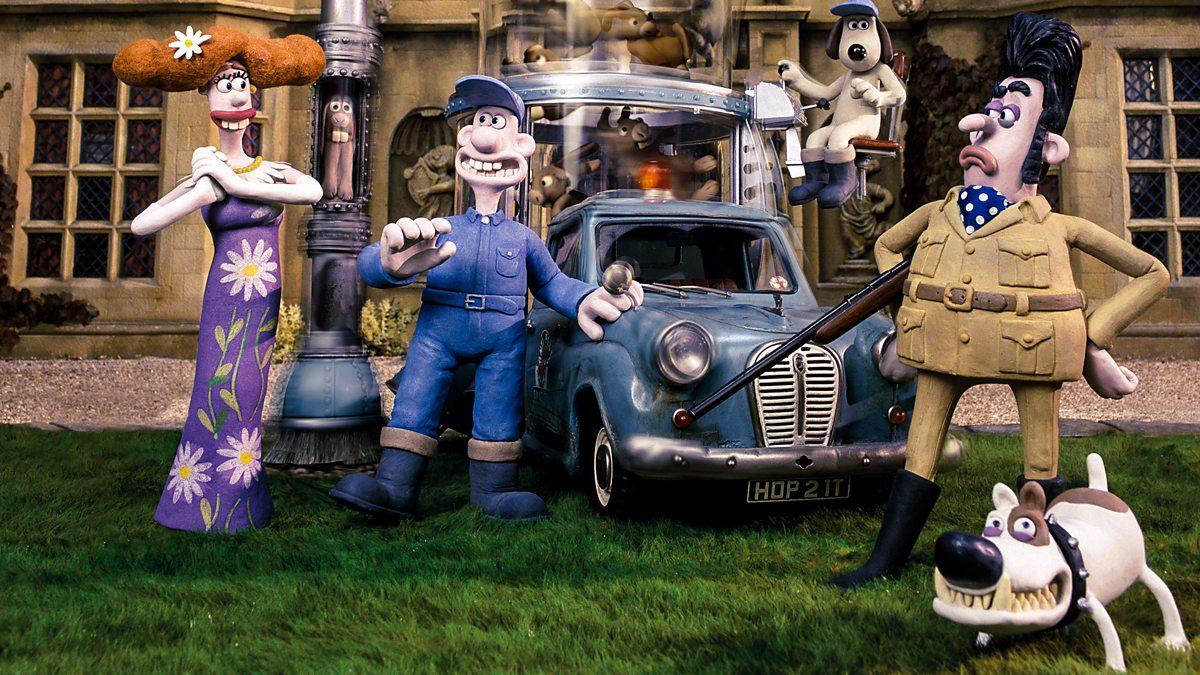
A still from ‘Wallace & Gromit: The Curse of the Were-Rabbit’
| Photo Credit:
Aardman Features
While this trio holds the near-monopoly on the golden statuette, it has also impacted what the common public defines as an Oscar-worthy toon. This does not exclude the East Asian problem.

To an average Oscar voter, Asian animation is synonymous with Studio Ghibli. The only Asian animated film that was not from Studio Ghibli to receive a nomination for Best Animated Feature is Mamoru Hosada’s Mirai, which was recognised in 2018. While it is an undisputed fact that Hayao Miyazaki is a master of his craft, and that his meticulously created tales likeSpirited Away (2001) and The Boy and the Heron (2023) deserved every bit of accolades they’ve received, it’s also apparent that the recognition is not going past the Ghibli bubble. Japan’s shounen and mahuo shojo anime genres have been systematically snubbed for decades because of this.
Biggest snubs in animation history
When the Academy snubs an animated film, it is also a sign of failure to recognise the grammar of the medium. The silo ensures that as long as the work doesn’t fit the Westernised mould of prestige, it is just invisible to the voting body concerned.
It is a statistical absurdity that in nearly a century, only three animated films: Beauty and the Beast (1992),Up (2009), and Toy Story 3 (2010)have made it to the nomination of Best Picture. It has been over 15 years since the last one.

Moreover, throughout Oscar history, only four foreign animated films have received nominations in non-animation categories: Flee (2021) for both Best International Feature and Best Documentary Feature, Waltz with Bashir (2008) and Flow (2024) for Best International Feature, and The Triplets of Belleville (2003) for Best Original Song.
Also read: Finding gold in animation
The snubbing extends into the technical sides as well. The visually stunning stop motion animation film Coraline (2009), the depthful oil-paintedLoving Vincent (2017), wildly creative Lego Movie (2014) and the critically acclaimed Look Back (2024) have all suffered the same fates at the Oscars. So did the digital cinematography of Spider-Man Across the Spider-Verse (2023), which was supposed to be a big bang in the category, considering how it broke every supposed rule and blended the 3D CGI with 2D hand-drawn elements, using non-photorealistic rendering, opting for a choppy kind of 12-FPS look of an old anime. They’ve all been simply cast out, even after winning multiple awards (like the Critics’ Choice Award, BAFTA, Golden Globes, etc.), drawing a blank on these critical masterpieces.
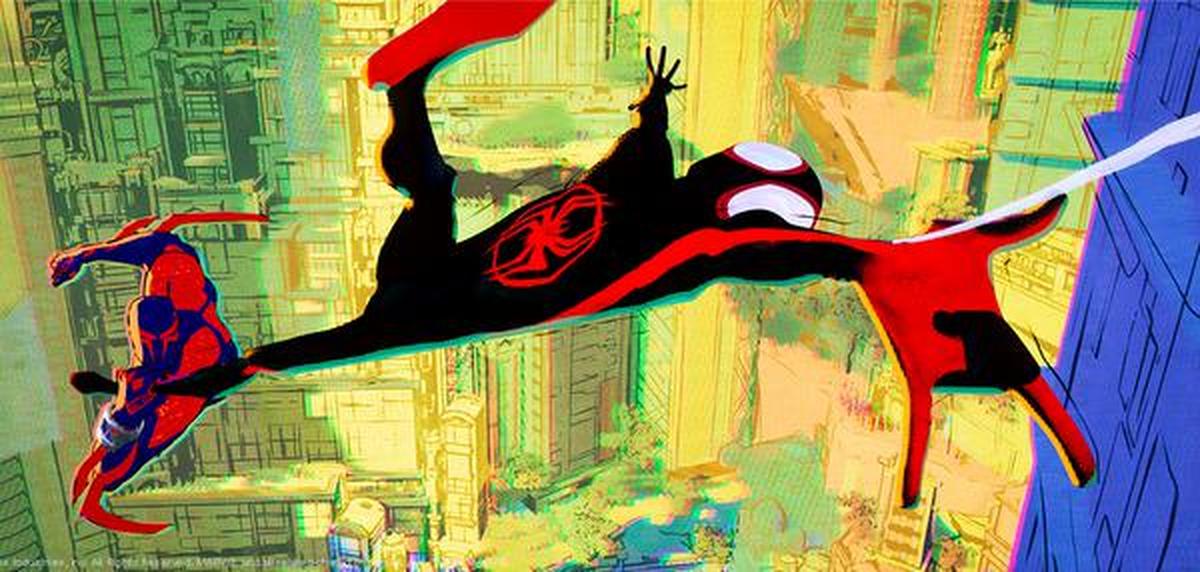
A still from ‘Spider-Man: Across the Spider-Verse’
| Photo Credit:
Sony Pictures Animation
The list doesn’t end there. When the Academy infamously snubbed Naoko Yamada’s animated masterpiece A Silent Voice (2016) in favour of Boss Baby (2017), it sparked some strong criticism from animation enthusiasts. A Silent Voice was a coming-of-age, harrowing tale of a high school boy and his attempts to make amends to a deaf girl he bullied back in elementary school. It explores dark themes such as bullying, suicide, mental health, and social anxiety, with visuals that are irresistibly beautiful and immensely well-crafted. Alas, it didn’t mesh with the Academy’s standard of a commercialised mainstream American studio animation.

A messier future awaits
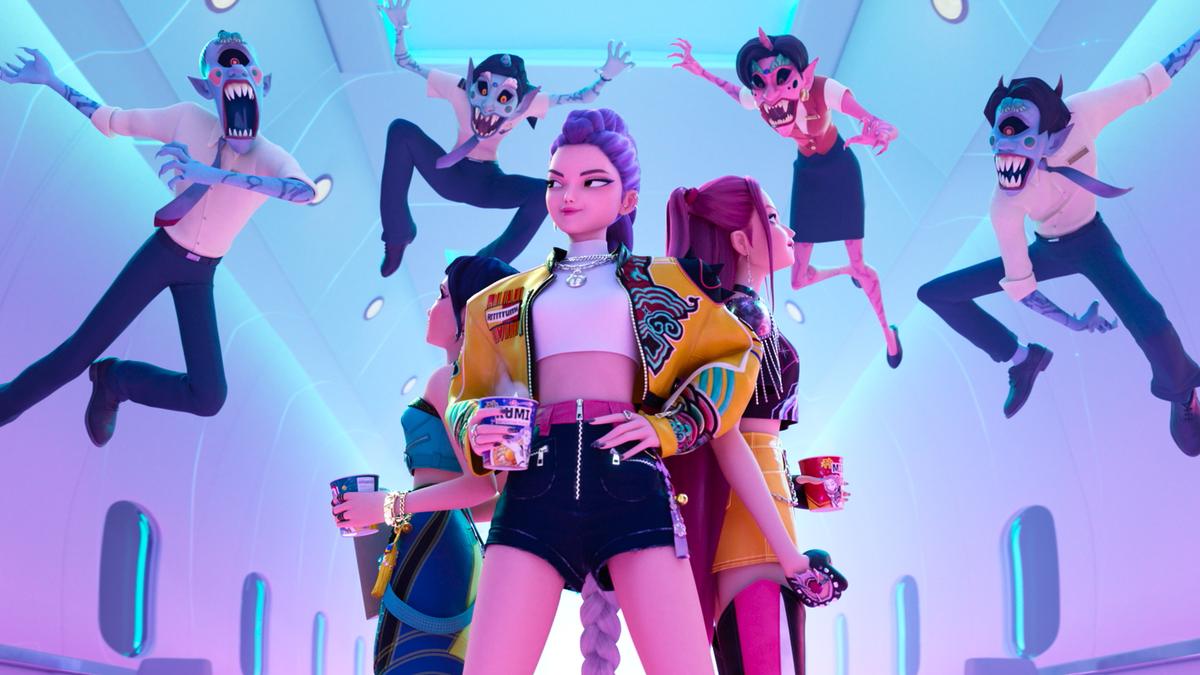
The 2026 Best Animation Picture nominations are watched with bated breath, the big contenders being Arco, Elio, K-Pop Demon Hunters, Little Amélie or the Character of Rain, and Zootopia 2. The riskier entries like Scarlet, Chainsaw Man– The Movie: Reze Arc, and Demon Slayer: Kimetsu No Yaiba Infinity Castle (2025) were swept to the side.
The deafening absence of the Chinese juggernaut Ne Zha 2 (which grossed over $2.24 billion in 2025 but wasn’t submitted) also paints a bleak picture of the Academy’s future, where the silo stays hampered by geopolitical hurdles.
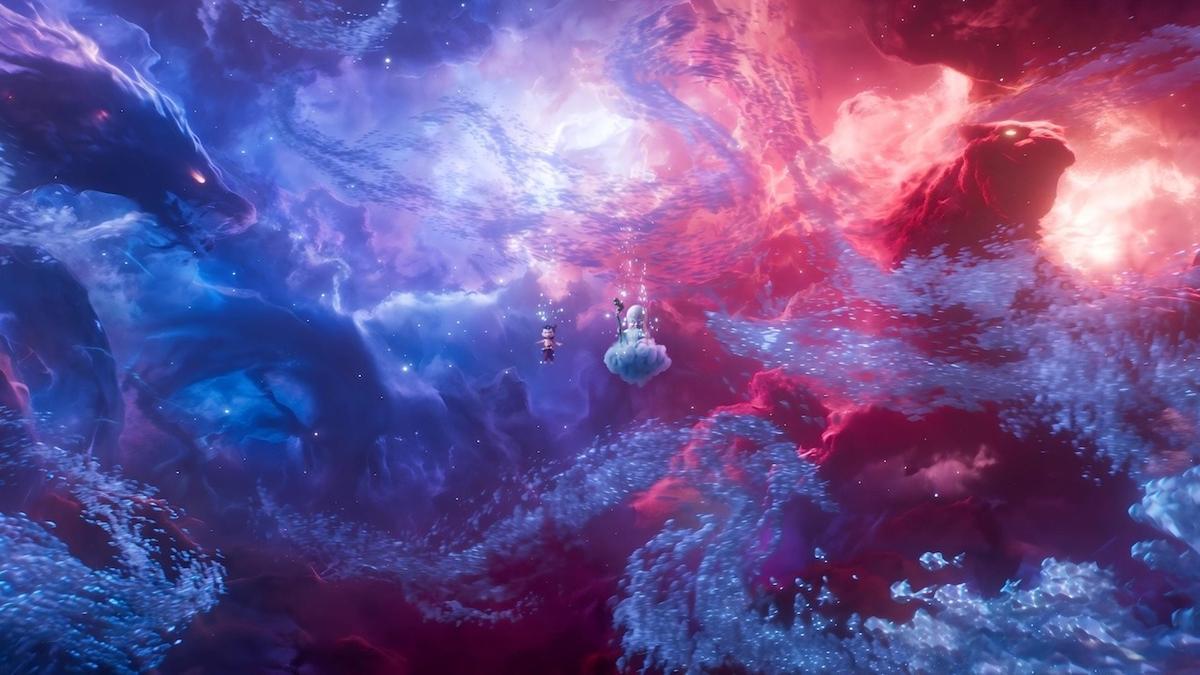
A still from ‘Ne Zha 2’
| Photo Credit:
Beijing Enlight Picture
If the Oscars are to remain a relevant authority on the “best” in cinema, it should cross the very deliberate and self-imposed challenge of segregating the Animated feature category as a “ghettoed, kids-only toons”. The industry is already moving towards darker tones, experimental aesthetics sprinkled with unique and mature storytelling. The fact that Chainsaw Man outperformed a family film like Elio clearly indicates that the audience has evolved, while the Academy seems to be still stuck in its outdated, rigid frameworks. They continue to judge films based on an insular perspective that doesn’t take into account the preferences of global film aficionados.

Whether animation belongs to major categories is not the main question; it is whether the Academy can move past its structural snobbery before it becomes completely obsolete for a new age of film lovers. Animation should be recognised as a medium with infinite possibilities, one that will transcend its assumed role as a genre solely for children. Let these critical darlings breathe alongside the rest of the cinema.
Published – March 15, 2026 12:09 pm IST