The 2025 projection booth has delivered an astonishing range of cinematic offerings that stretch from festival darlings to indie gems to sweeping blockbuster epics. From the mythic scope of Paul Thomas Anderson’s One Battle After Another and Ryan Coogler’s culturally resonant Sinners dominating discourse and box office alike, to delicious genre work like Zach Cregger’s Weapons or Joachim Trier’s Sentimental Value that clicked with audiences hungry for something that felt like cinema again after years of mind-numbing corporate sludge. Sure, lists are just taste with delusions of objectivity, but the remarkably eclectic selection this year seemed to wrestle with abundance, rather than simply excuse mediocrity.

A variety of earnest experiments, wildly fun joyrides, semi-cooked misfires, and lesser-known sparks that burned bright even if only briefly in the critical conversation, have textured this year — films like Guillermo del Torro’s Frankenstein, Danny Boyle’s 28 Years Later, Steven Soderbergh’s Black Bag, and even underrated picks like Ben Leonberg’s Good Boy, and Michael Angelo Covino’s Splitsville, have all been exceptional.
Meanwhile, hideous blockbuster traps like James Cameron’s Avatar: Fire and Ash, the Jack Black-starrer Minecraft, Netflix’s The Electric State, and a slew of other populist trash still proved budget and scale is no safeguard against creative emptiness.

Next year still dangles a few scrumptious meals that have been frustratingly out of reach — Bi Gan’s Resurrection, Josh Safdie’s Marty Supreme and Kleber Mendonca Filho’s The Secret Agent among them — and Indian cinephilia maintains patience and stubborn faith against lousy distribution gods.
So, after a year that has whiplashed between genius and landfill, here are the 25 films from across the world that justified the obsession and proved cinema still has bite, pulse, humour, fury, and the capacity to feel painfully, gloriously alive.
25) Train Dreams
A still from ‘Train Dreams’
| Photo Credit:
Netflix
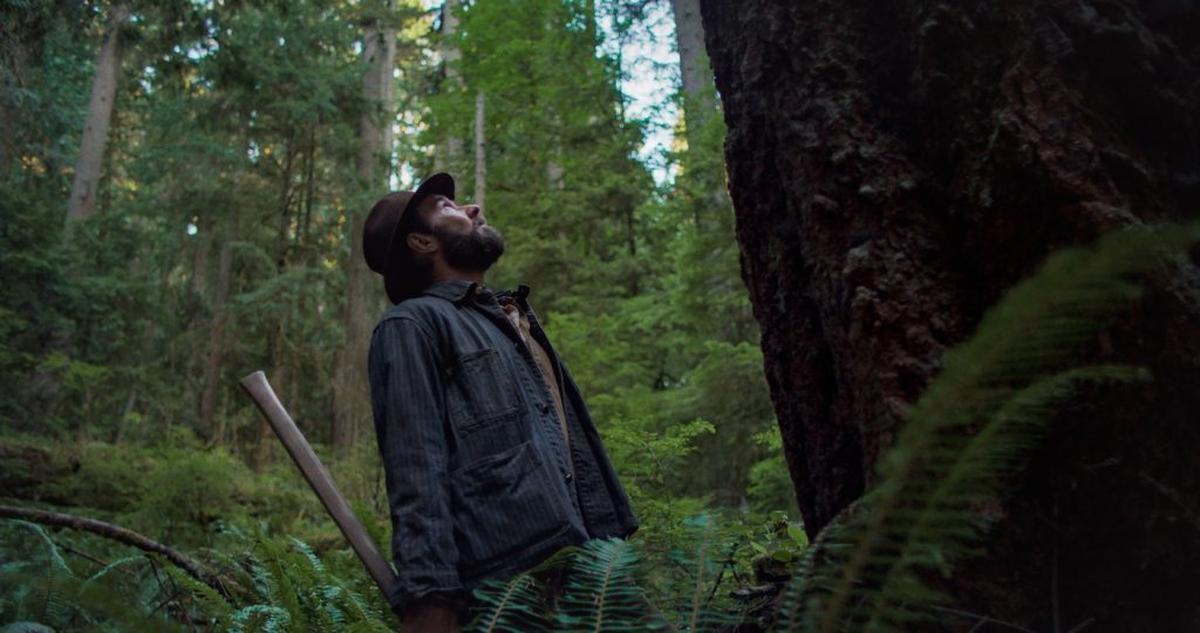
Clint Bentley’s Train Dreams — adapted from Denis Johnson’s novella and anchored by a powerful performance from Joel Edgerton — makes its case as a stunning cinematic meditation on work, memory, landscape, and the American Dream. Spanning decades in the life of logger Robert Grainier, it turns mundane labour into elegy and captures industrial America’s beauty and cruelty with Adolpho Veloso’s majestic Pacific Northwest cinematography. Edgerton’s stoicism becomes a seismic reading of emotions, layered with love and loss, shaping the ordinary into myth. Premiering at Sundance and riding a subtle awards season buzz, it belongs to the Terrence Malick brand of cinema that trusts beauty and stillness.
24) Father Mother Sister Brother
A still from ‘Father Mother Sister Brother’
| Photo Credit:
MUBI
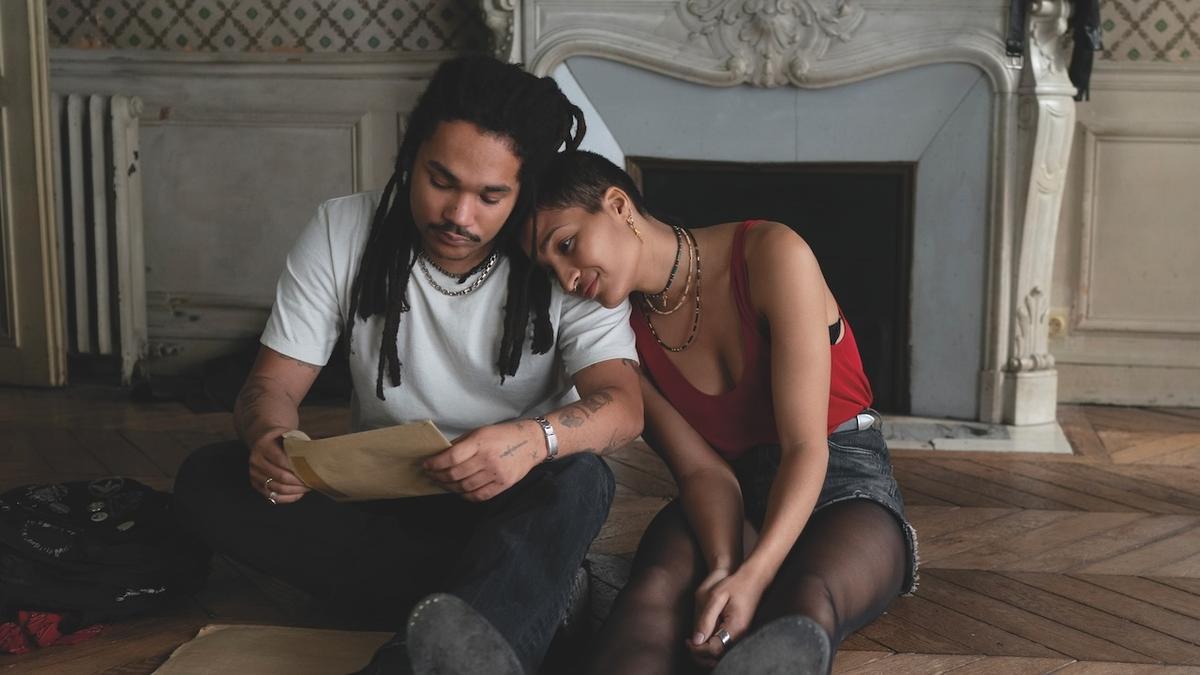
Jim Jarmusch’s Father Mother Sister Brother won the Golden Lion at the Venice Film Festival this year, a surprise triumph that thrust this observational anthology into global discourse. The film is built as a triptych — three interlinked stories set in New Jersey, Dublin, and Paris — each exploring the uneasy gravitational pull of familial obligation: Tom Waits’ eccentric patriarch greeted by adult children (Adam Driver, Mayim Bialik), a formal tea-time reunion between Charlotte Rampling’s novelist mother and her daughters (Cate Blanchett, Vicky Krieps), and the bittersweet reconnection of twins (Indya Moor, Luka Sabbat) in the wake of loss. Jarmusch’s script and the pair of cinematographers, Frederick Elmes and Yorick Le Saux let pauses and small gestures carry all the unsaid emotional baggage, but it’s the way the script weaponises small-talk and the awkward comedy in adult children trying to reconnect, that made it so absorbing. Looming over these segments is a sense that proximity by blood doesn’t guarantee understanding, and Jarmusch successfully articulates how difficulty often lives in the unuttered and unremarkable.
23) Weapons
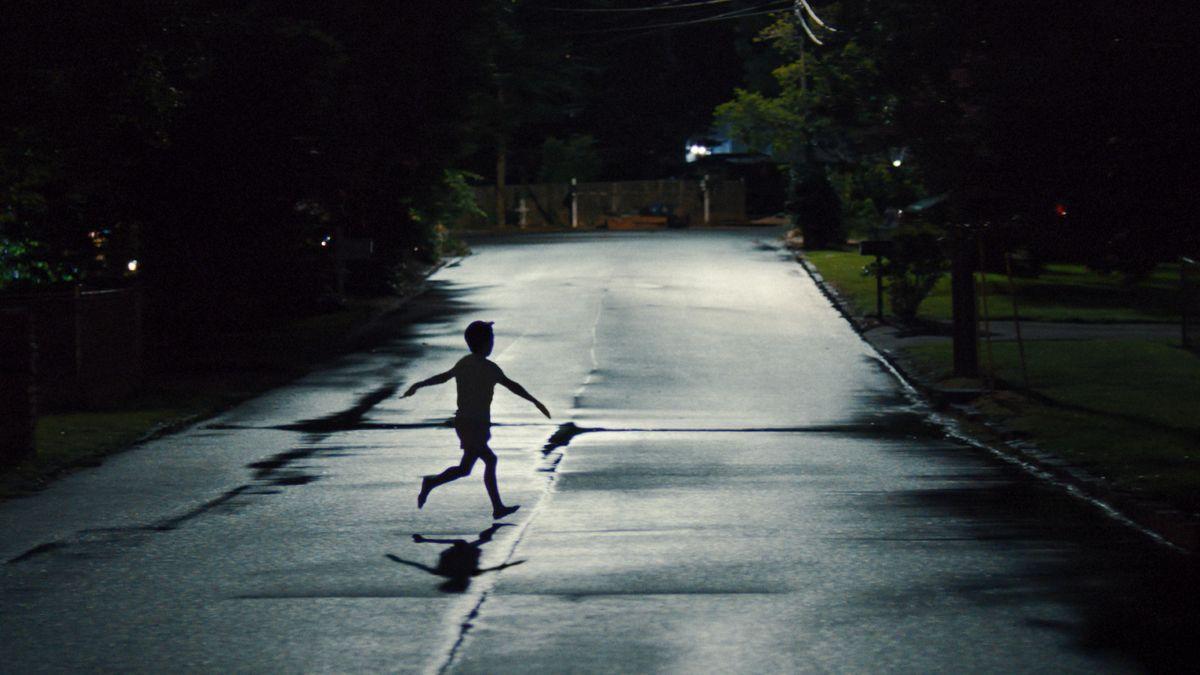
A still from ‘Weapons’
| Photo Credit:
Warner Bros
At first glance, Zach Cregger’s follow-up to Barbarian, with a cast led by Julia Garner and Josh Brolin, looks like another studio horror gambit, but what pushes it into something genuinely sharp is how it marries big-screen horror energy with a structural puzzle that turns suburban dread into a terrifying indictment of society. Seventeen elementary-school kids vanish at exactly 2:17 a.m., and the film riffs across six character arcs including parents, teachers and cops, in a Tarantino-esque temporal collage that twists genre mechanics into a thematic interrogation about community collapse, blame, belief, and fear. Amy Madigan turns Aunt Gladys into a grotesque fairy-tale figure you can’t quite laugh off, but her nightmarish presence absorbs every modern anxiety about children and the violence that shadows them.The film’s box office success and robust critical praise only proved that mainstream audiences are hungry for horror that respects intelligence and ambivalence, while still delivering the scares.
22) Grand Theft Hamlet
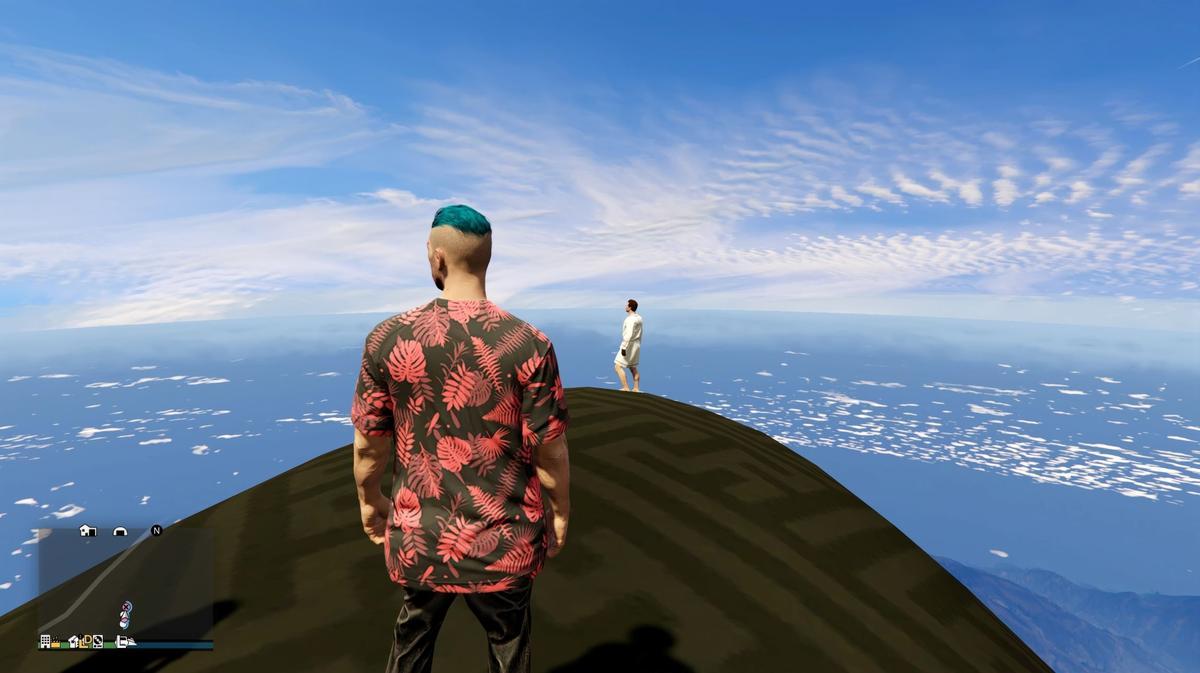
A still from ‘Grand Theft Hamlet’
| Photo Credit:
MUBI
Shot entirely inside Grand Theft Auto Online, Grand Theft Hamlet may sound like a gimmick, but this radical documentary about the tenacity, survival, and absurdity of art is an absolute riot. Sam Crane and Pinny Grylls take out-of-work actors and enthusiastic gamers during the pandemic and let them stage Hamlet within GTA’s chaotic digital world, turning glitches, ridiculous avatars, and pixelated landscapes into a living amphitheatre. The novelty of its Photoshop-meets-Shakespeare concept might pique curiosity, but what makes it particularly idiosyncratic is how it explores the curious resonance between classical grief and contemporary dislocation. Watching Crane deliver monologues as NPCs maraud in the distance is surreal and moving because it reveals who we are when institutions vanish, cobbling together with whatever tools we have. The poignancy and conceptual creativity stand testament to how urgency and elegy can coexist in a medium most studios still suspect of being “just videogames.”
21) Magellan
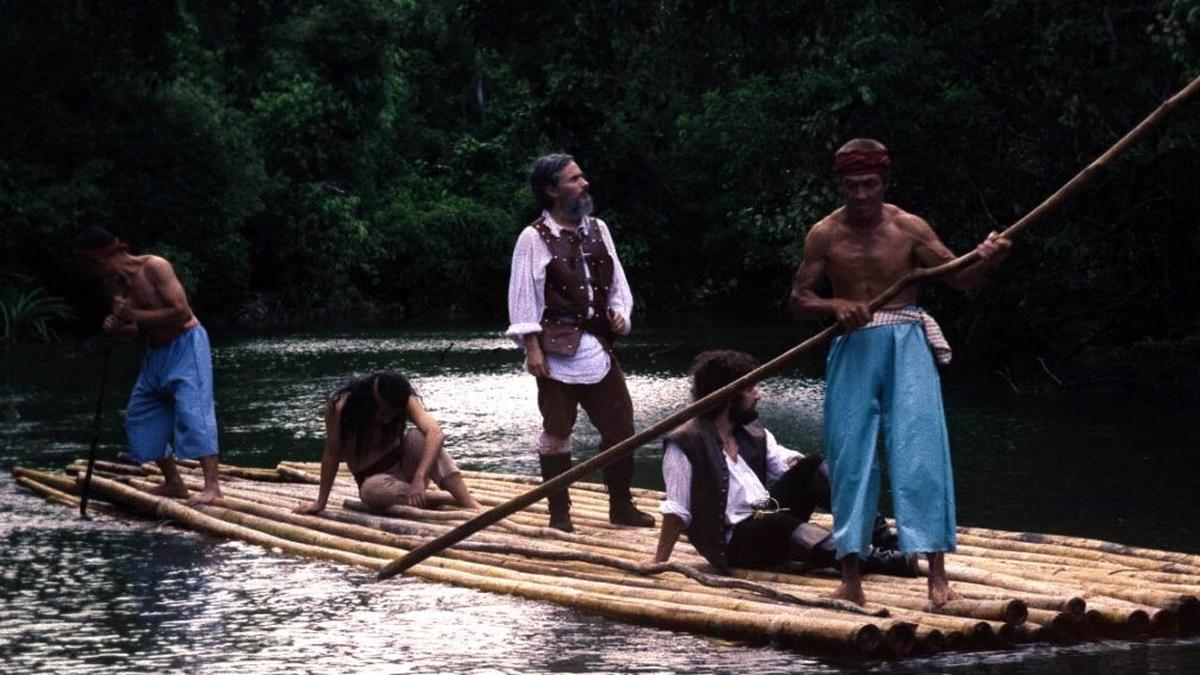
A still from ‘Magellan’
| Photo Credit:
Rosa Filmes
Magellan is Lav Diaz’s first film not in Tagalog, opting instead for a sprawling historical canvas covering Ferdinand Magellan’s voyages and his barbaric early years of European colonialism in Southeast Asia. The film features Gael García Bernal abandoning his effortless charisma for a haunted, stubbornly human portrayal. It premiered in the Cannes Premiere section and became Philippines’ official submission at the Oscars. Though presented as a conventional epic, it reframes and reimagines the colonial myth as Diaz forces us to sit with the violence and uncertainty beneath the ruthless conquistador dream. Cinema this ambitious rarely bothers with simple answers and it’s Diaz’s absolute refusal to mythologise settler-genocide that makes Magellan feel vital.
20) Ne Zha 2
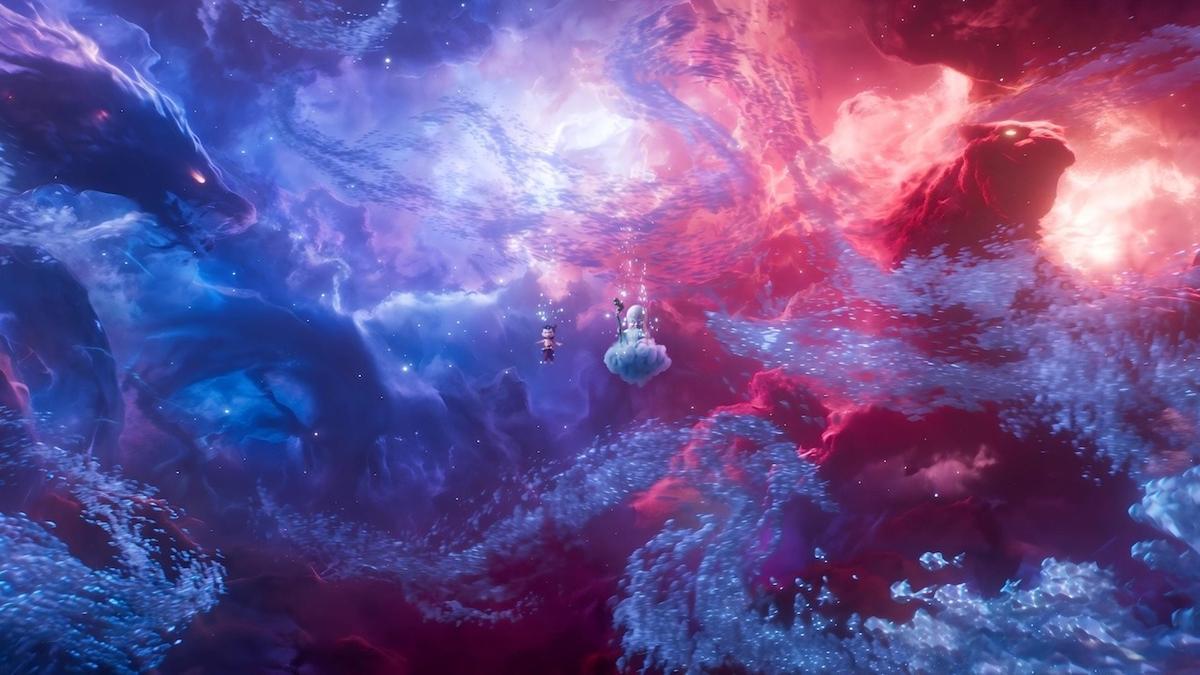
A still from ‘Ne Zha 2’
| Photo Credit:
Beijing Enlight Pictures
The first Ne Zha rewired Chinese mainstream animation, but its ‘Pixar-killing’ sequel Ne Zha 2 doubled down and matured the mythology instead of simply inflating spectacle (which it also does in stupendous scale). Directed by Jiaozi and backed by Beijing Enlight, it built on the 2019 phenomenon with sharper character psychology, richer visual composition, and a national conversation about destiny, rebellion, and imperialist critique wrapped inside a gargantuan tentpole fantasy. It dominated China’s Lunar New Year box office, annihating global records and moving past “kids film” status into a cross-generational cultural event. The 3D animation is meticulous, dynamic, and zippy, but what elevates it is how unabashedly it gives Hollywood a run for its money.
19) The Blue Trail
A still from ‘The Blue Trail’
| Photo Credit:
Vitrine Filmes
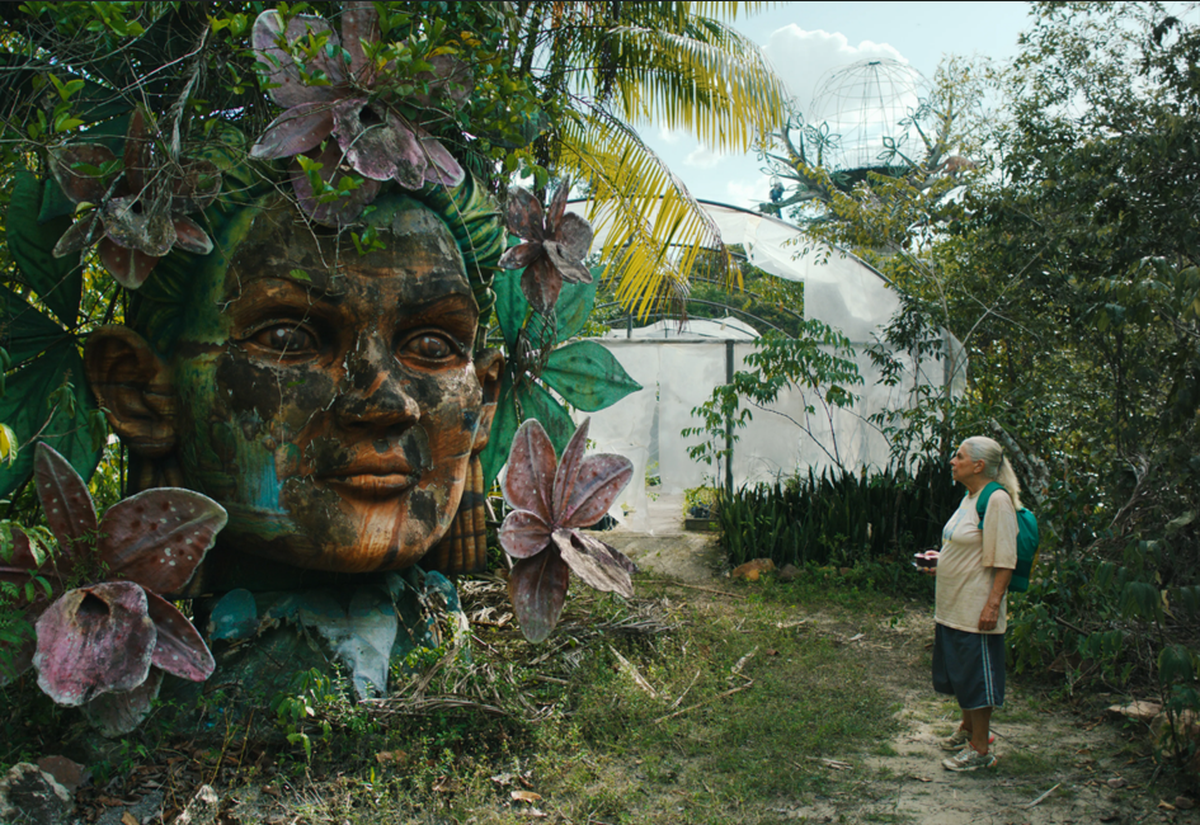
Gabriel Mascaro’s The Blue Trail began its life in competition at the Berlin International Film Festival, and its wins there (including a Silver Bear Grand Jury Prize) tell you everything you need to know about how it fits among the year’s best. An unconventional bildungsroman set in a dystopic Brazilian future, it follows 77-year-old Tereza (Denise Weinberg) as she defies an authoritarian scheme to relocate the elderly “for the greater good” and instead embarks on an Amazonian voyage to realise her last dream. Mascaro — whose earlier work like Neon Bull and Divine Love already showed a gift for blending visual poetry with political bite — leavens bleak societal critique with moments of warmth and psychedelia. It’s slightly sentimental but deeply humane, confronting ageism, autonomy, and freedom in a way that feels urgent without being didactic.
18) Renoir
A still from ‘Renoir’
| Photo Credit:
Loaded Films
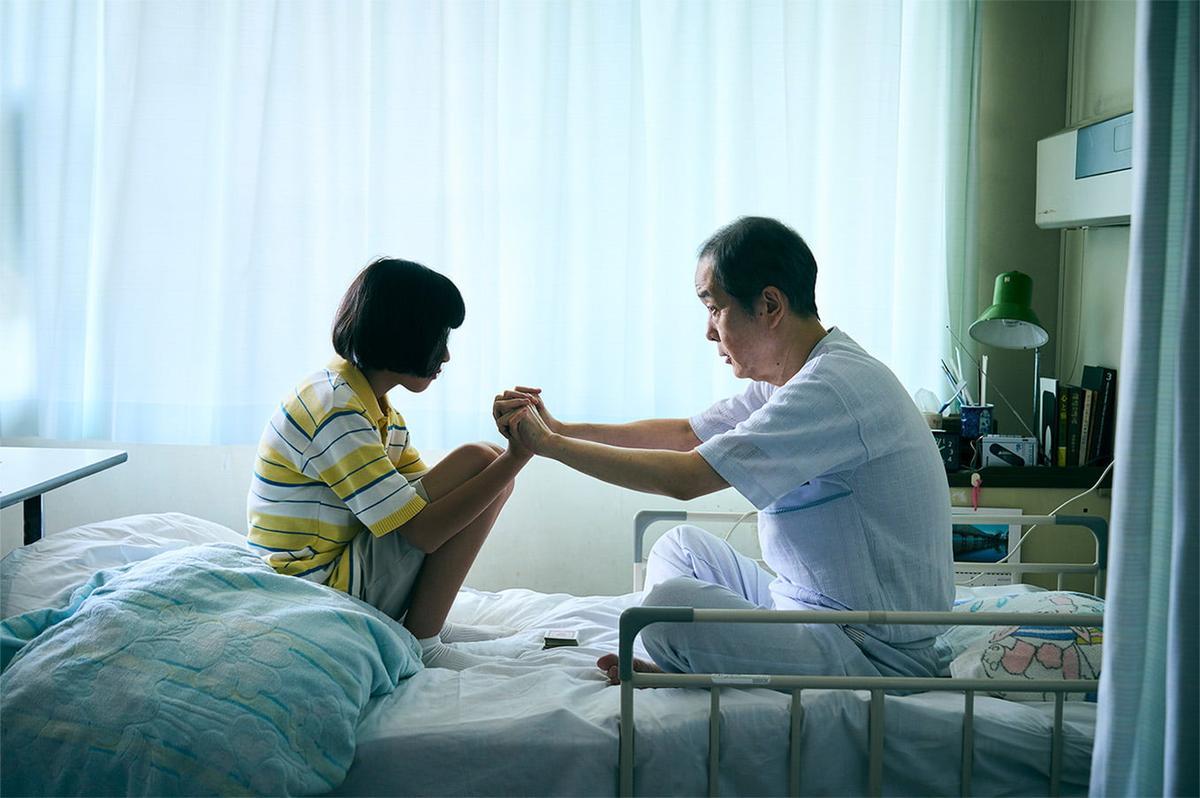
Chie Hayakawa’s Renoir premiered in competition at Cannes 2025 and quickly became one of the year’s most anticipated character pieces. The film follows 11-year-old Fuki (a breakout turn from Yui Suzuki) navigating late-1980s Tokyo as her father’s terminal illness reshapes her inner life and imaginative world. Fresh off Plan 75, Hayakawa eschews easy catharsis, immersing us instead in this little weirdo’s bewildered solitude and fragmented understanding of grief, familial pressure, and fleeting joys. The film’s meticulous City-pop detail and gentle pacing builds a poignant psychological weather, exploring the way personal loss alters perception over time. Its tender performances and moving formal discipline serve to remind of cinema’s power to slow the heartbeat long enough to feel what is taken for granted.
17) Bugonia
A still from ‘Bugonia’
| Photo Credit:
Focus Features
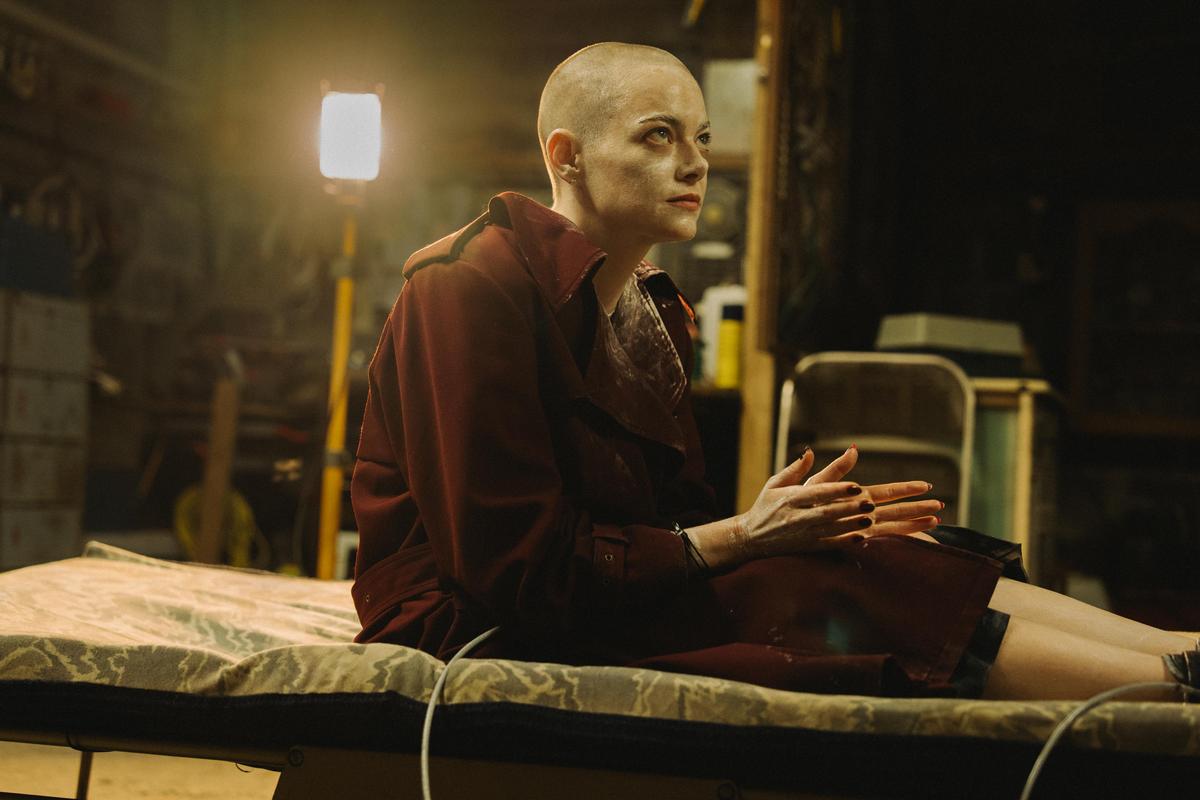
Yorgos Lanthimos’s Bugonia is twitchy, funny, and faintly poisonous — a marked improvement from his obnoxious Oscar-winner, Poor Things. A riff on the Korean sci-fi comedy Save the Green Planet!, the film premiered in competition at Venice 2025, and follows two conspiracy theorists who kidnap a big pharma CEO (Emma Stone, yet again) convinced she’s an alien emissary ushering in doom. Nothing about the premise feels unhinged (it’s Yorgos Lanthimos, after all) and the director orchestrates the lunacy with frosty elegance while Jesse Plemons detonates a performance of maniacal obsession. The film’s lurid, unsteady images and Jerskin Fendrix’s fretful score ratchet the dread to a level where paranoia starts to feel like common sense. The script teeters between deadpan absurdity and psychological cruelty, and its thesis rests in its serrated satire of faith, power, and self-delusion, bubbling beneath all the panic. You laugh, slightly panic over the fact you laughed, and the climax feels like the punchline to a joke you were always a little scared might be true.
16) Late Shift
A still from ‘Late Shift’
| Photo Credit:
Zodiac Pictures Ltd
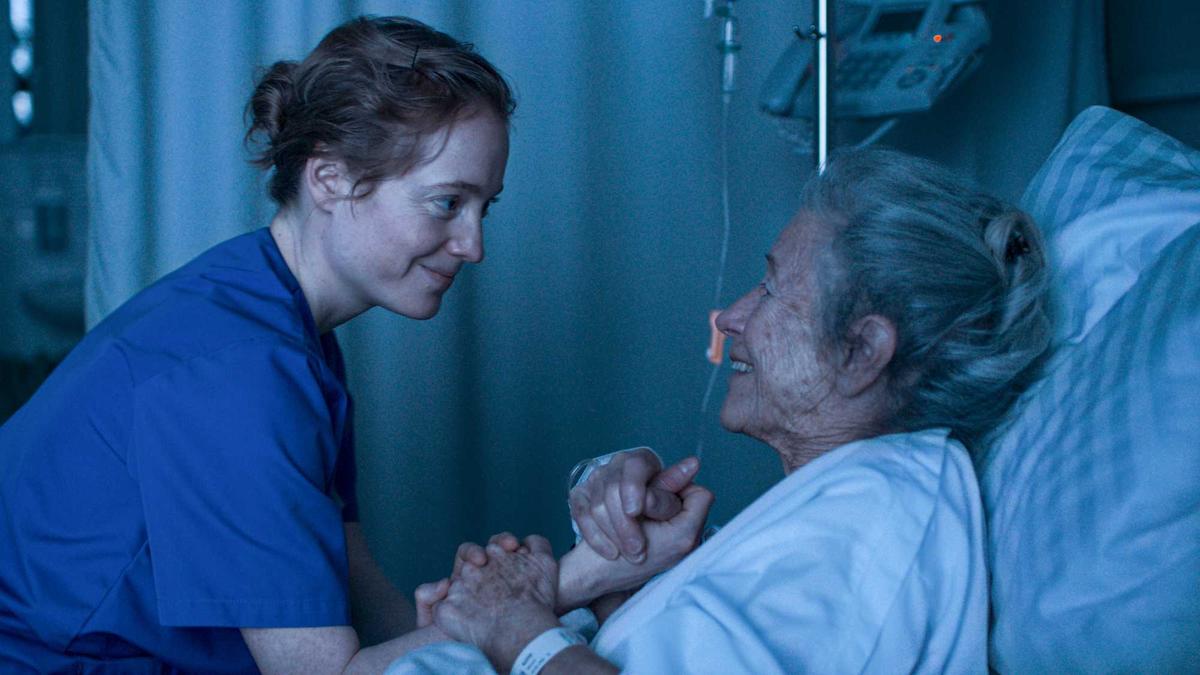
Swiss director Petra Volpe’s Late Shift, Switzerland’s official Oscar submission this year, foregrounds the everyday brutality of caregiving with unflinching immediacy. The evergreen Leonie Benesch inhabits Floria, a nurse on an intense night shift in an understaffed hospital, with a presence that makes each corridor feel like a maze of moralities and suspense. Shot in something close to real time and premiered in the Berlinale Special Gala, the film turns the mundane into pressure chamber cinema, with terminal patients, frazzled families, bureaucratic dead ends and tiny acts of kindness accumulating sinuous pressure on the psyche. What makes Late Shift more than a mere Swiss spinoff of The Pitt is how it uses cinematic form to dramatise systemic failure without theatrics; not entertainment as respite but empathy as insight, a visceral aide-memoire that recognises care workers as society’s shock absorbers under unbearable strain.
15) The Mastermind
A still from ‘The Mastermind’
| Photo Credit:
MUBI
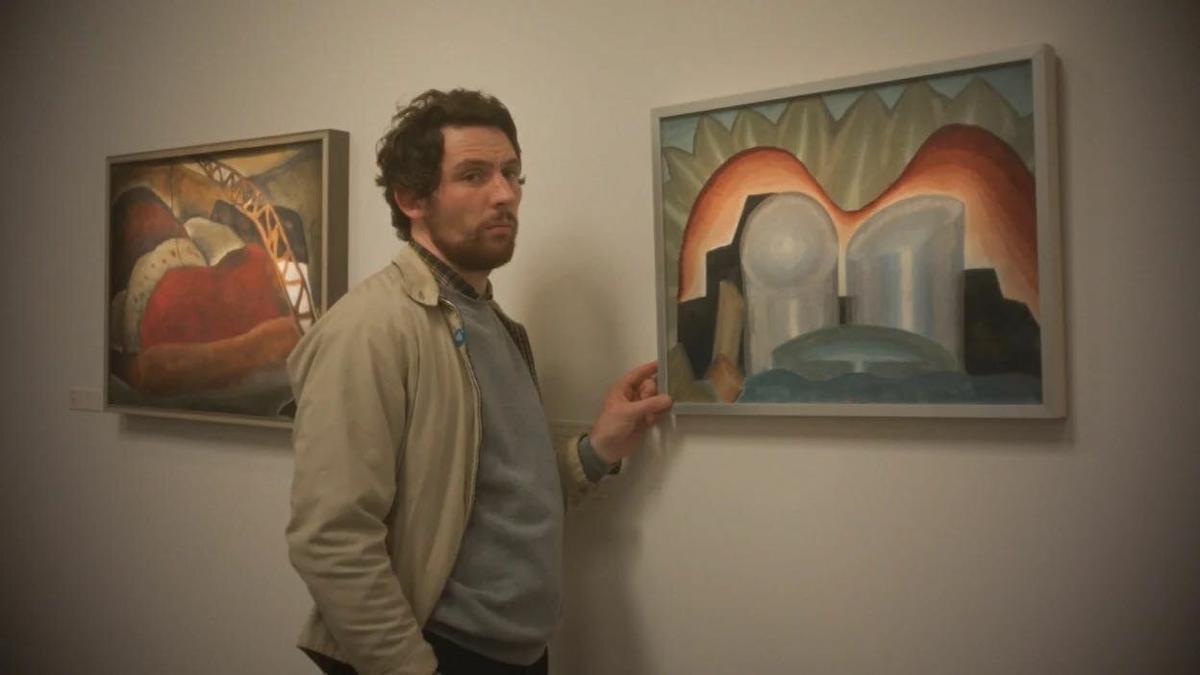
Kelly Reichardt’s incredibly perceptive The Mastermind isn’t a heist movie in the usual sense — it’s an anti-heist set in a sedate ‘70s Massachusetts suburb where Josh O’Connor’s J.B. Mooney, a struggling carpenter from a comfortably privileged family, clumsily plans to steal four Arthur Dove paintings from the local museum. The film premiered in competition at Cannes 2025 and subverts genre expectations by turning the robbery into a meditation on futility, class inertia, and the hollowness of individual rebellion. Reichardt’s patient, understated lens makes every botched choice and awkward escape feel political, and the real crime here is the idea that one man’s vanity project could ever really matter.
14) Sorry, Baby
A still from ‘Sorry, Baby’
| Photo Credit:
A24
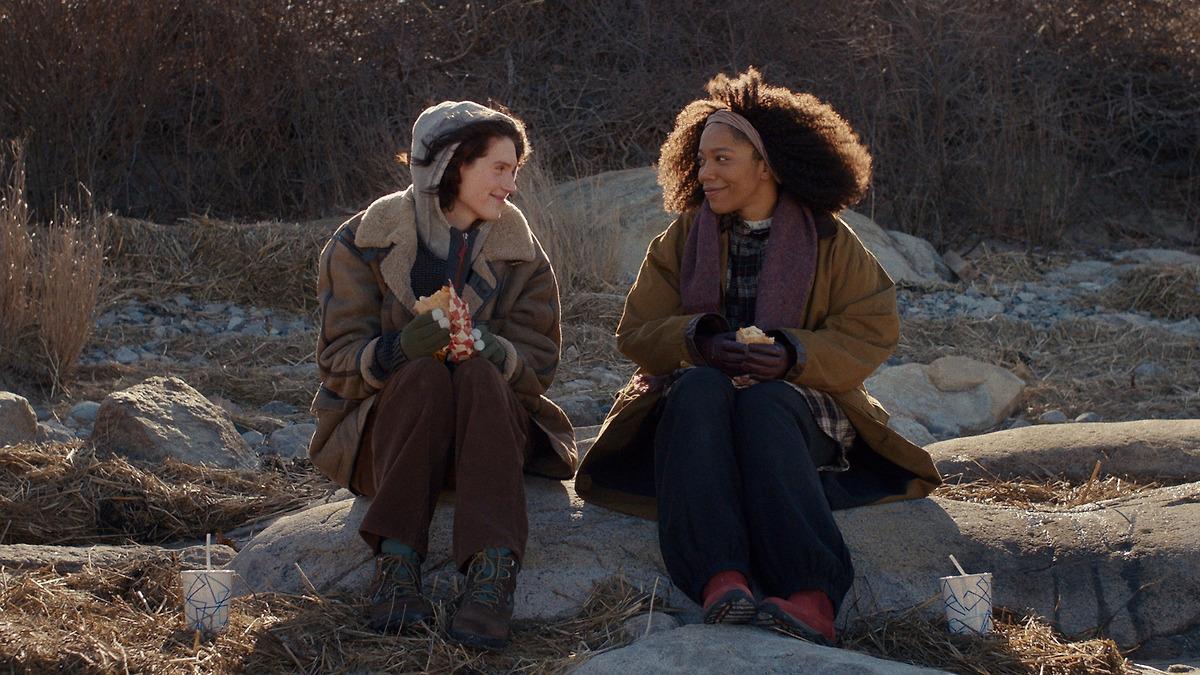
Eva Victor’s beautiful Sundance-premiering and A24-backed Sorry, Baby turns a personal encounter with trauma into an expansive, affective exploration of resilience and recovery. Victor stars as Agnes, a reclusive literature professor grappling with life after sexual assault, using a combination of black-comedy detachment and raw emotional honesty to map the terrain of pain, friendship, and just barely hanging on. It’s a film about the absurdity of moving-on rituals — whether that’s at dinners, jury duty, or even exploring reluctant new love — where levity doesn’t seem too redeeming but registers all the same. The humour may cushion the suffering, but more importantly, it reveals how life keeps coughing up grace in the middle of grief.
13) April
A still from ‘April’
| Photo Credit:
MUBI
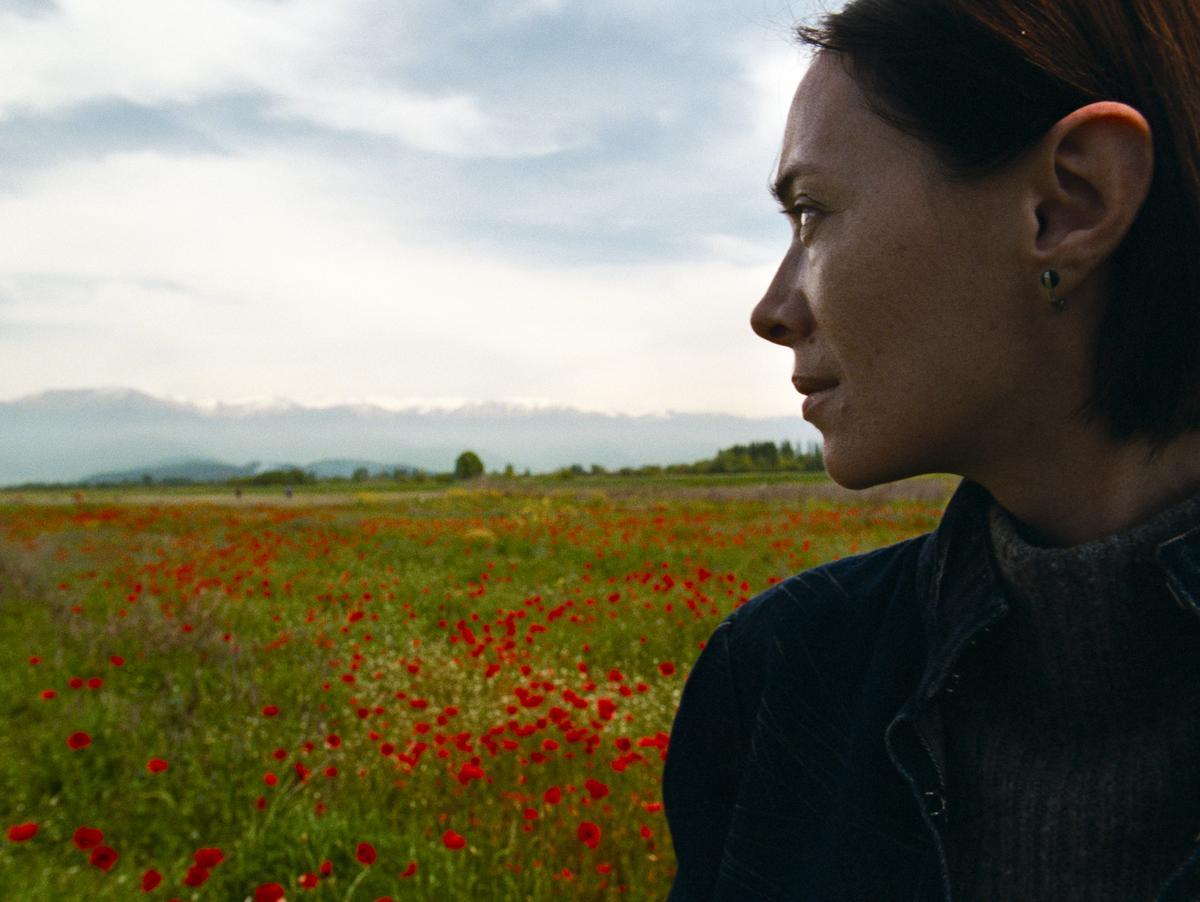
Dea Kulumbegashvili’s indomitable Georgian drama April, stars Ia Sukhitashvili as a rural obstetrician accused of malpractice after a stillbirth. Wrestling with bodily autonomy and professional scrutiny, this fearless slow-burn drama drops us in the middle of the grief, rage, and isolation that legal and cultural hostility can carve into a person. Filmed in 35 mm with Arseni Khachaturan’s grainy, oppressive compositions, the film premiered at Venice 2024, winning the Special Jury Prize, and appeared in international festivals through 2025. What sets it apart is how formally it merges stark, classical framing with a visceral intimacy of its static takes that enforce reflection by mandate. Gracing us in an era defined by battles over reproductive rights world-over, April makes the struggle feel inescapably momentous.
12) Chainsaw Man: Reze Arc
A still from ‘Chainsaw Man: Reze Arc’
| Photo Credit:
Sony Pictures
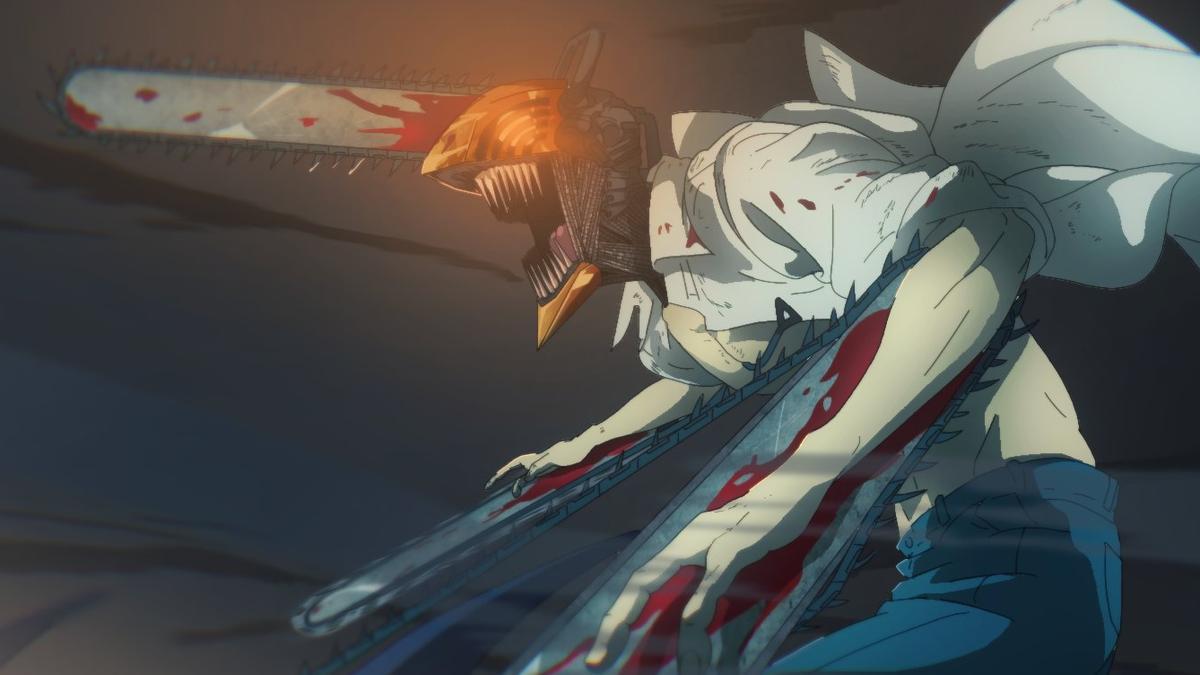
Reze Arc is a feral anime adaptation that feels monstrously faithful, while constantly twitching with the urge to break formation and riot. Directed by Tatsuya Yoshihara and scripted by Hiroshi Seko, this MAPPA production picks up after the first season of the Chainsaw Man anime, thrusting the titular chainsaw-headed devil hunter Denji, into a mess of love, betrayal and blood-lust when he meets Reze, a mysterious barista with her own lethal agenda. The film went on to a global theatrical run in over eighty territories, and its universal acclaim and box office success is a testament to how hungry weebs around the world have been for an originality that blends action and unguarded emotion with slick, hand-drawn kinetic design. Its place here is for how inventively it translates Tatsuki Fujimoto’s sadistic pleasures into cinematic form without losing the raw edges — the romance is unexpectedly affecting, the violence gorgeous in its grotesquery, and the production values lean into widescreen spectacle while keeping a human heart beating under layers of manic, devilish scheming.
11) Left-Handed Girl
A still from ‘Left-Handed Girl’
| Photo Credit:
Netflix
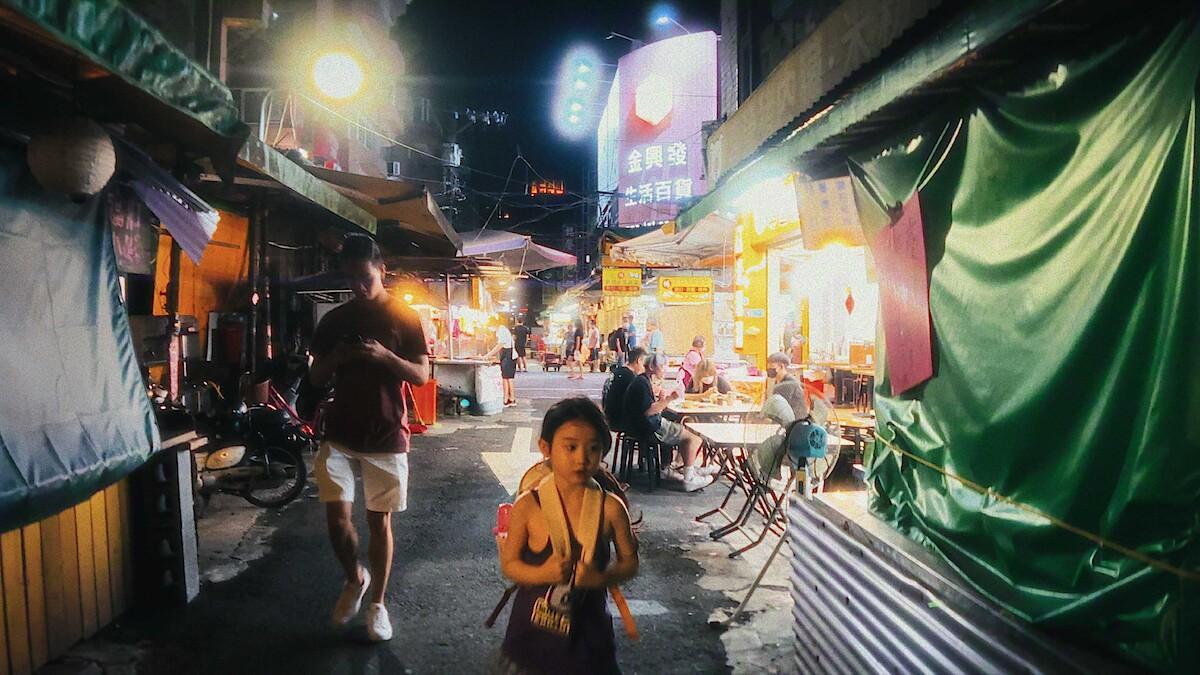
Shih-Ching Tsou’s Left-Handed Girl premiered in Critics’ Week at Cannes 2025, and became Taiwan’s Oscar submission this year. Directed, co-written, co-produced and edited by Tsou with long-time collaborator Sean Baker, the film tracks Shu-Fen (Janel Tsai) and her two daughters as they return to Taipei to open a night-market noodle stand. The youngest, I-Jing, is told her left hand is a “devil hand,” unraveling generational tensions and superstition with sharp observation. Though it capitalises hard on fond nostalgia and prettification, the way it renders Taipei’s neon streets and market bustle as a living ecosystem of anxiety, humour and hard-earned resilience is what makes it feel so intimate. It belongs to the mythology of Taiwanese family dramas that are morbidly funny but unmistakably tender, because survival in the margins always is.
10) Sinners
A still from ‘Sinners’
| Photo Credit:
Warner Bros
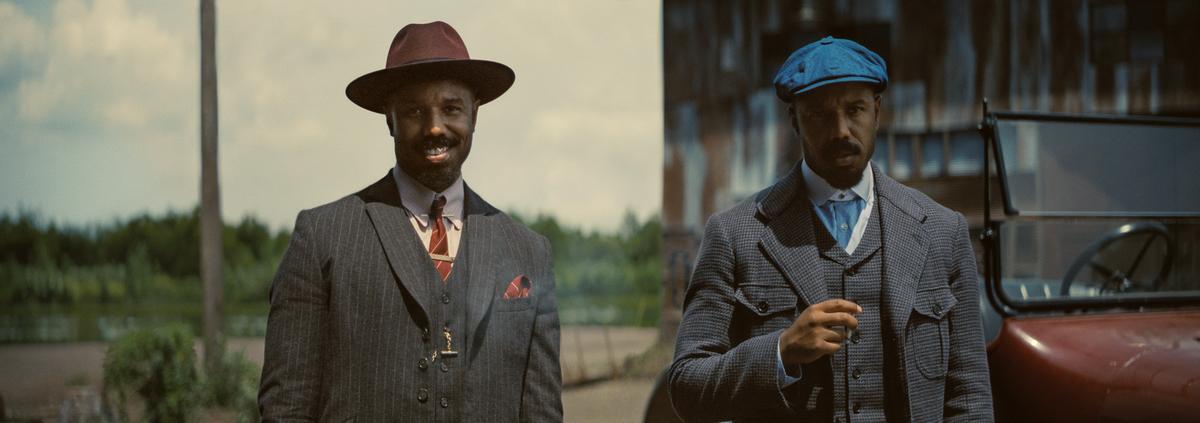
Ryan Coogler’s Sinners exploded onto the cultural landscape this year as a horror-inflected folktale set in ‘30s Mississippi, starring Michael B. Jordan in dual roles as twin brothers Smoke and Stack. The film combines vampiric myth, Delta blues music, and the weighted evils of the Jim Crow South into a layered spectacle that haunted audiences and critics alike. But what lifted it out of and elevated it far beyond genre pigeonholes was its willingness to let its horrors work in tandem as metaphor and lived environment. Its use of blues — from Ludwig Goransson’s steady flow of catchy juke joint jams to Miles Caton’s stunning spectral seance sequence — functioned as narrative DNA that never felt ornamental. The film dominated the box office and currently leads many awards conversations, becoming one of the year’s most discussed American films, but its exceptional cultural penetration drew from how it folded history, race, music and myth into a single breathtaking theatrical experience.
9) Little Trouble Girls
A still from ‘Little Trouble Girls’
| Photo Credit:
SPOK Films
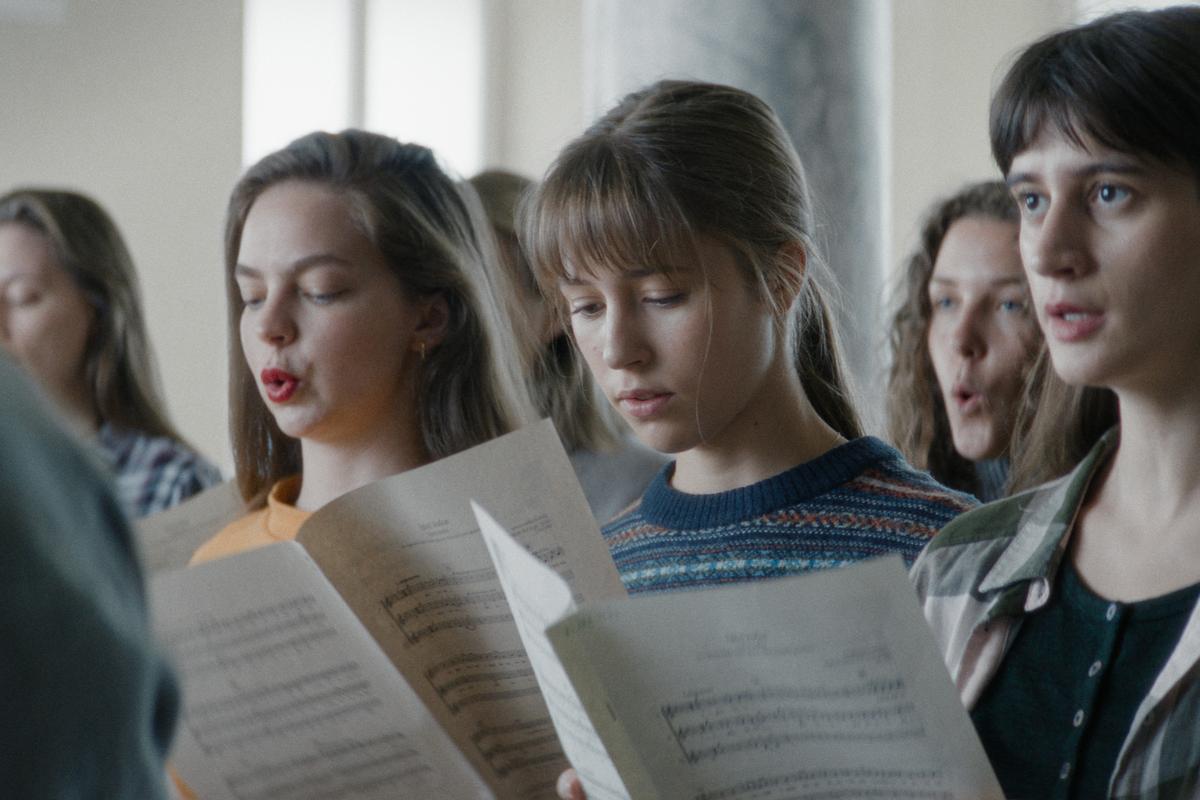
Urška Djukić’s Little Trouble Girls was one of the most provocative films of the year. The sultry Slovenian coming-of-age drama premiered in competition at the Berlin Film Festival, before garnering awards attention as Slovenia’s Oscar submission. We follow Lucia (played with startling emotional fluency by Jara Sofia Ostan) as she experiences her sexual awakening at a Catholic choir retreat where desire, power, faith, guilt and friendship intertwine in ways that feel painfully relatable. Djukić avoids sermonising and instead lets the world work on Lucia as she navigates the stares, whispers, hot flashes and cruelties of adolescence unfolding inside a religious structure that claims to protect innocence while simultaneously culling all desire. The filmmaking is poised, observational, and emotionally lucid — the humour is nervous, the beauty is fragile, and the film understands that “coming of age” is a relentless negotiation with the self. It speaks to anxieties about girlhood, bodily autonomy, and institutional power with exceptional craft, and does so sans melodrama.
8) No Other Choice
A still from ‘No Other Choice’
| Photo Credit:
Neon
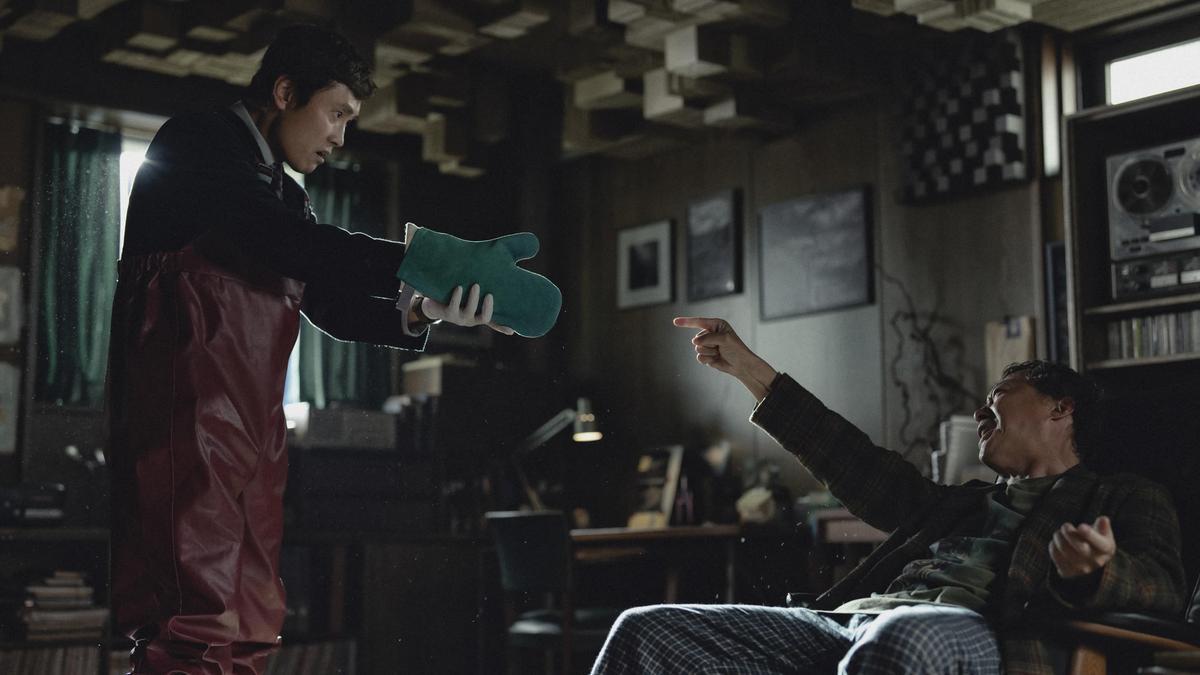
Park Chan-wook’s delightfully acidic No Other Choice reimagines Donald E. Westlake’s novel The Ax through the lens of post-capitalist anxiety. Starring Lee Byung-hun as You Man-su, a middle-aged paper industry worker laid off after corporate restructuring, the film premiered at a bunch of different festivals to universal praise, and its meticulous staging and uneasy humour seem to have registered as comically precise. PCW balances Hitchcockian tension with piercing social satire; Man-su’s plan to trim the herd of job competitors in order to secure his own livelihood spirals into an existential critique of job insecurity, automation, and the crippling emotional toll of capitalism. But what made it especially resonate was how it incorporated the genre mechanics of suspense and choice architecture to interrogate why this malignant economic system produces an undignified, self-serving desperation. It’s stylish, sharp-eyed, and uncomfortably funny because of how masterfully it dissects the illusion of choice.
7) On Becoming a Guinea Fowl
A still from ‘On Becoming a Guinea Fowl’
| Photo Credit:
Picturehouse Entertainment
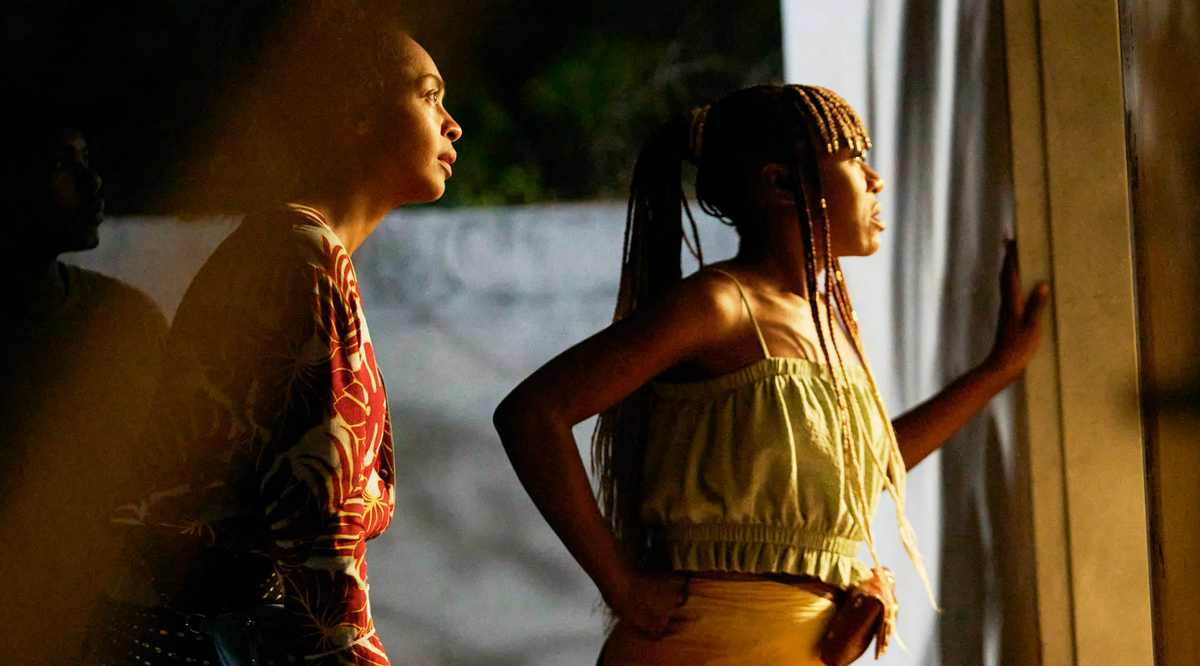
Rungano Nyoni’s Zambian-British co-production On Becoming a Guinea Fowl, doesn’t feel like anything else this year. This disconcerting family drama and social fable about silence and complicity follows Susan Chardy’s Shula, as she discovers her uncle Fred dead on a deserted road, triggering days of funeral rituals that reveal long-buried secrets about abuse, denial, and tradition. Nyoni uses the titular bird whose alarm call warns of danger as a persistent, unsettling metaphor for voices that should have spoken but were suppressed. Debuting in Un Certain Regard at Cannes 2024 and carried by Chardy’s taut, shattering performance, the film’s dreamlike sequences and macabre sense of humour excavate how generational trauma gets coded into custom and how communities (not unlike ours) protect legacies at victims’ expense. It sits in your gut long after the credits roll. Rightly so.
6) Sîrat
A still from ‘Sîrat’
| Photo Credit:
Neon
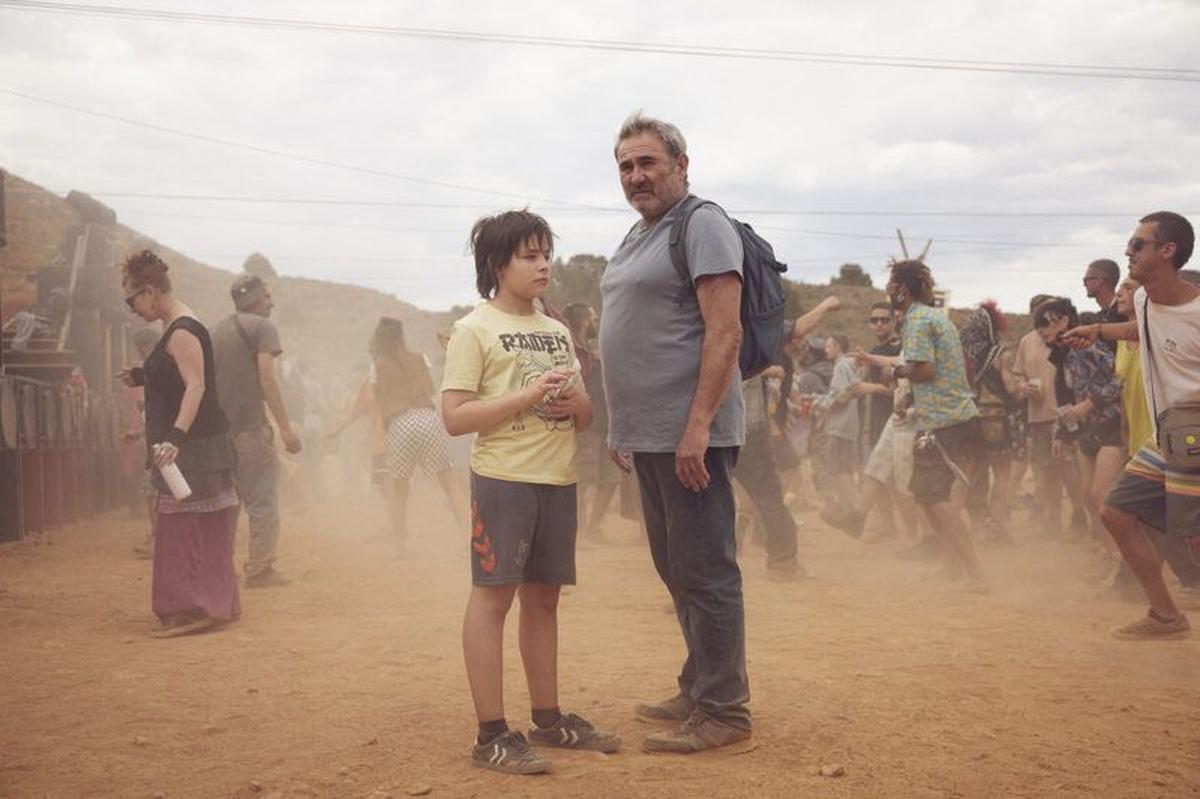
Winning the Jury Prize at Cannes 2025 and becoming the Spanish Oscar submission had already turned Oliver Laxe’s Sîrat into one of the year’s buzziest titles, but what made this trippy Odyssean fable so singular was how deeply Kangding Ray’s pulse-pounding original score was embedded into its nervous system. A propulsive fusion of raw techno and ethereal ambient textures, David Letellier’s music won the Cannes Soundtrack Award and has since snagged a Golden Globe nomination, turning every nightclub-in-the-desert sequence and desolate stretch of Moroccan landscape into an embodied experience. Laxe stages a father and son’s search for their missing daughter against hypnotic beats that accompany, complement and drive the narrative logic of its sweeping imagery. From throbbing kicks that mirror the film’s trance-like wanderings to the music’s gradual decay into otherworldly soundscapes that reflect the characters’ disintegration and rebirth, the film’s corporeal sound design is central to why Sîrat felt like the most visceral audiovisual statements of the year.
5) Sentimental Value
A still from ‘Sentimental Value’
| Photo Credit:
Neon
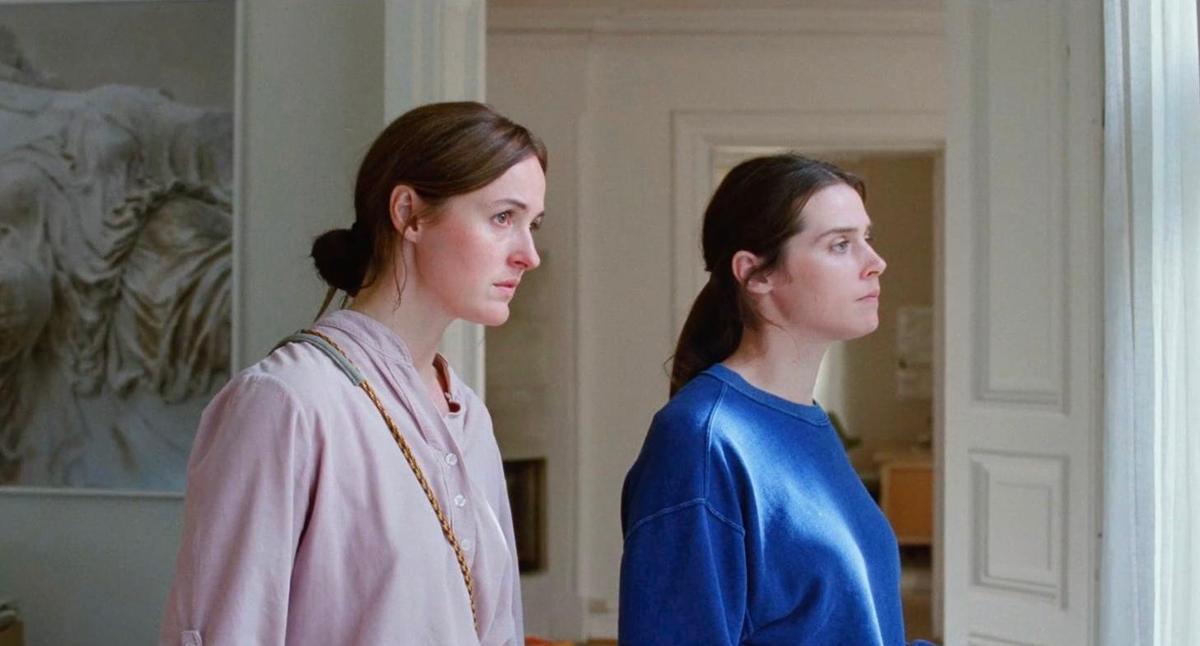
Joachim Trier’s devastating Sentimental Value — winner of the Grand Prix at Cannes 2025 and Norway’s Oscar submission this year — could have easily fallen prey to tasteful European prestige trappings. Instead it became the year’s most resonant portrait of creative inheritance and emotional debt, anchored in towering performances by Renate Reinsve, Stellan Skarsgard, Inga Ibsdotter Lilleaas and Elle Fanning, as estranged father and former filmmaker Gustav Borg, his two daughters, and an American actress cast in his return to form. As a stage actor wrestling with art and abandonment, Reinsve’s Nora brings a worn, exacting humanity that makes every scene feel palpable and volatile; her chemistry with veteran Skarsgard, as well as Lilleaas’ luminous turn, engulfs every family reunion into a cinematic negotiation of regret and hope. The film’s structure turns memory into a sequence of emotional topographies, and its placement here reflects how it dug deep into the process of making art about that pain, often by forcing us to experience the very discomfort the characters carry (and leaving us a weepy mess).
4) One Battle After Another
A still from ‘One Battle After Another’
| Photo Credit:
Warner Bros
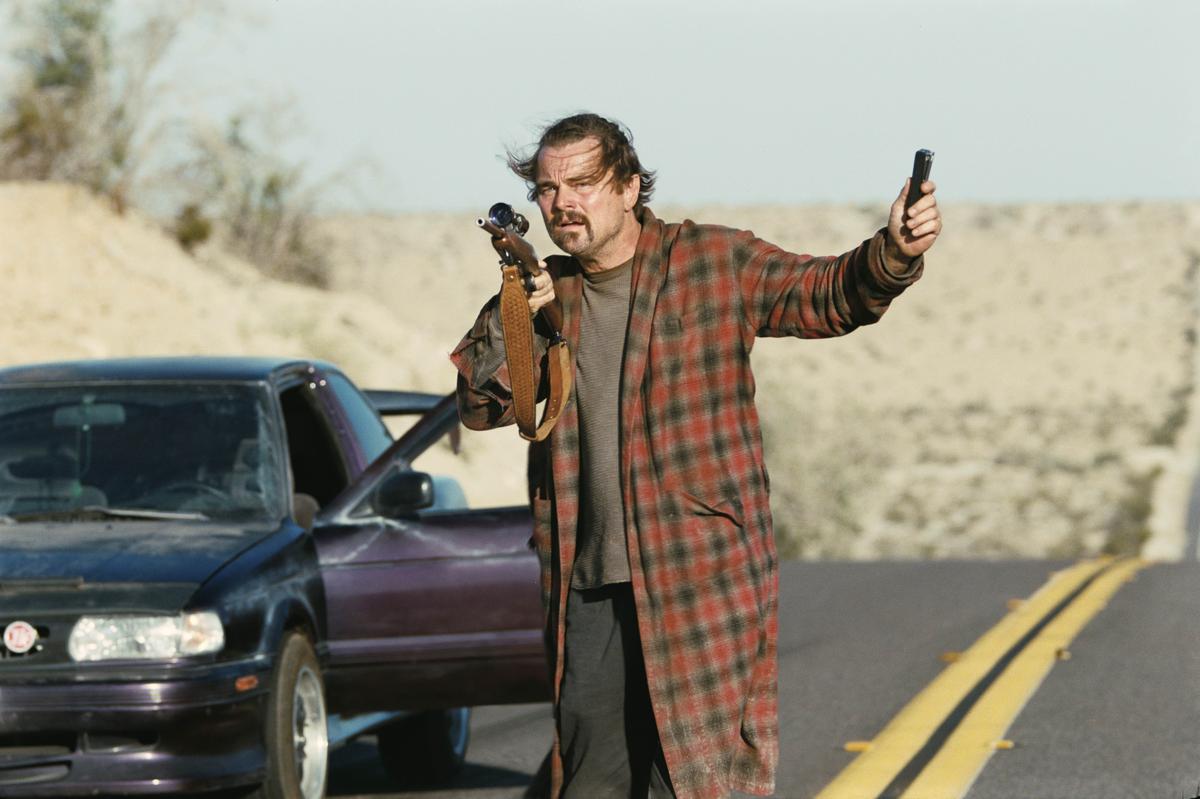
Paul Thomas Anderson’s rivetting One Battle After Another is sprawling, audacious, politically salted and wildly alive. Adapted from Thomas Pynchon’s Vineland, it follows ex-revolutionary Bob Ferguson (the funniest Leonardo DiCaprio we’ve had in years) and his fiercely self-reliant daughter Willa (a revelatory Chase Infiniti) as they’re pulled back into the fray by a resurfaced nemesis, blending guerrilla satire with a thrilling kinetic energy. What made it such a film of the moment wasn’t just its near-perfect critic scores, but how it managed to be a blockbuster-scale character study about ideological inheritance and fragmentation. With an ensemble cast boasting the likes of Regina Hall, Teyana Taylor, Sean Penn and Benicio Del Toro, and shot in exquisite VistaVision, the film has unsurprisingly become an awards powerhouse, currently on track towards our next Best Picture winner. Its heart and its rebellious humour comes from the absurdity of trying to care deeply in times when everyone’s optics are wired to spin; a combustible joyride of how echoes of the past resurface in a relentless barrage of fractures.
3) Happyend
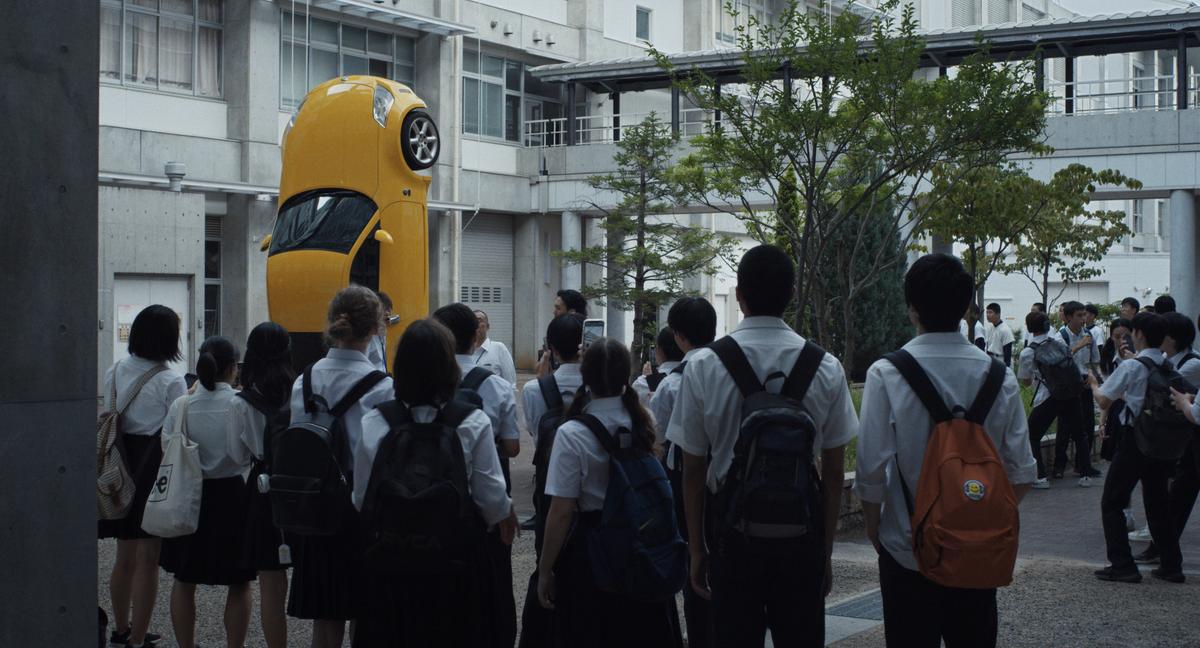
A still from ‘Happyend’
| Photo Credit:
Bitters End
Neo Sora’s elegiac Happyend was one of the year’s most captivating hybrid pieces. Part dystopian social satire, part coming-of-age ensemble, and part vigil about surveillance culture and youthful agency; this sensational debut feature is set in a near-future Japan where technology infiltrates civil liberties and student life with Orwellian precision, following a group of high-school friends struggling to keep friendship, hope and youthful irreverence intact amidst tightening societal controls. Sora’s dazzling visual and narrative language weds a poignant lyricism to its fun, adolescent skullduggery — mundane teen acts of sneaking into clubs, flirting, fighting boredom, and rebelling with/without a cause, refract into bigger cultural dilemmas without ever losing emotional grounding, even as the school and state push back. The humour builds off the nervous comedy of highschoolers attempting to disobey and resist their panoptic world that watches everything but understands little. Happyend is thoughtful, tense and tender in a single breath, and it’s turned into one of the year’s most astonishing international dramas, carrying that Edward Yang sense of searching intimacy and closeness, and smuggling it into a techno-dystopia where fighting the system feels heartbreakingly personal.
2) Caught by the Tides
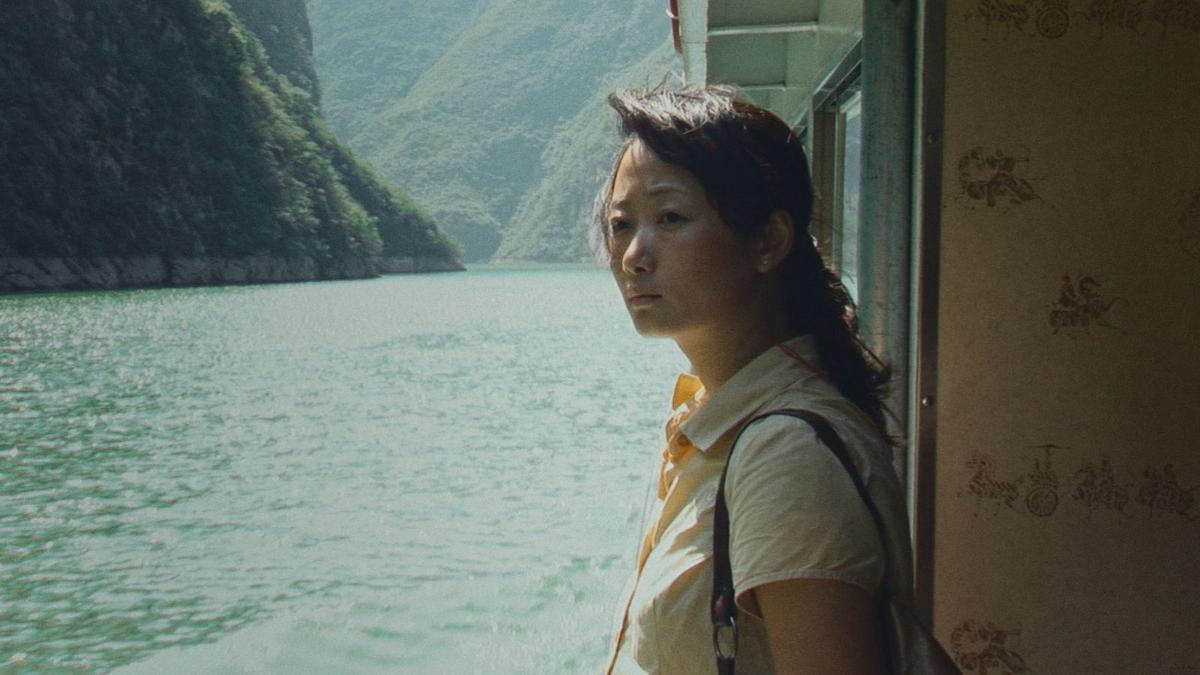
A still from ‘Caught by the Tides’
| Photo Credit:
MUBI
Jia Zhangke’s Caught by the Tides is a tremendous cinematic chronicle stitched from over 20 years of footage, including unused material from the seasoned Chinese auteur’s Unknown Pleasures and Still Life, and coalescing into a melancholic portrait of love, ageing and China’s breakneck transformation. Zhao Tao — the director’s partner, muse and lead — carries the film with a wordless insistence as a woman chasing the traces of a lost lover across shifting urban landscapes and shuttering industrial towns. The film’s collage of documentary fragments and staged drama makes time itself feel like a living character, forever hungry and always pressing forward. Caught by the Tides premiered in competition at Cannes 2024, and this year it has emerged as the filmmaker’s most affecting modern meditations on love and history in motion for how it wields memory, change and isolation as tidal forces that reshape bodies and cities in ways only cinema can apprehend.
1) It Was Just an Accident
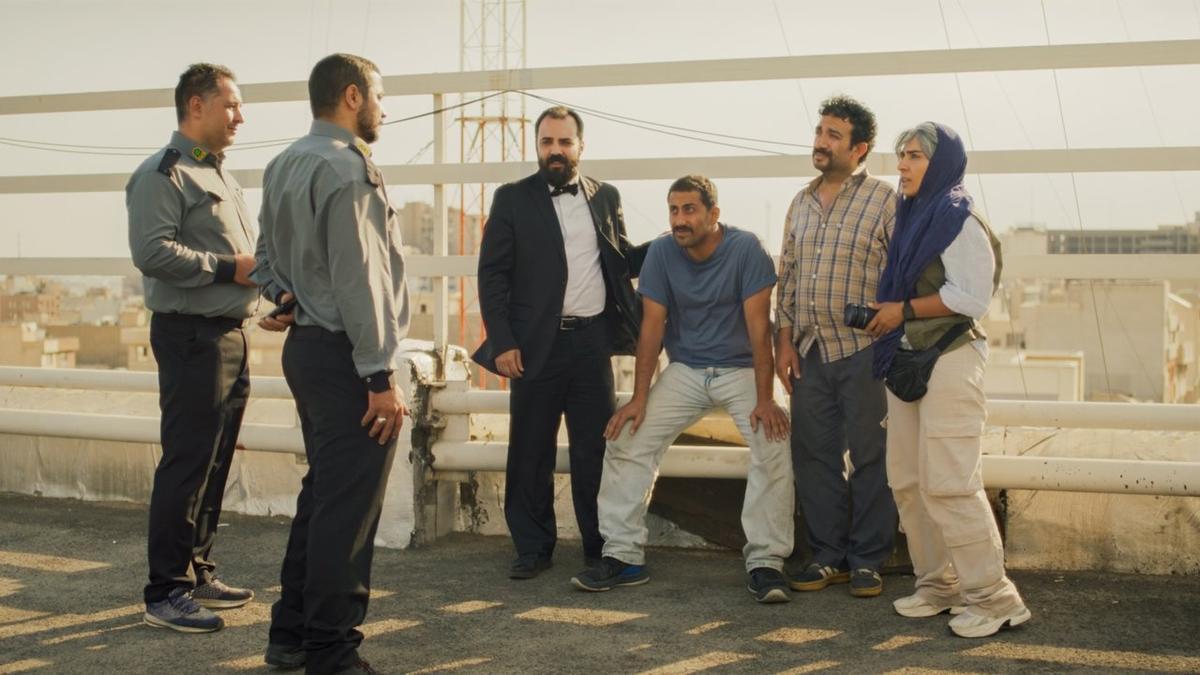
A still from ‘It Was Just an Accident’
| Photo Credit:
Neon
Nothing can stop Jafar Panahi. Everyone has gestured towards a great cinematic-political reckoning this year, but the Iranian mischief-maker supreme seems to be the only that filmed it. The veteran auteur’s thirst for filmmaking keeps outrunning every ban, threat, and tired attempt to shut him up, and this latest Palme d’Or-winning thriller was his first main competition entry since years of censorship and covert filmmaking. The film follows a group of former Iranian political prisoners who might have found their old tormentor, setting the stage for a tense, Becketian moral debate about justice, identity and the cycle of revenge. The film was quickly selected as the French entry at the Oscars, making history as one of the rare Iranian features to sweep major festival attention and global awards buzz. But what makes Panahi’s daring production against the odds extraordinary is how he instills it with a morbidly self-aware gallows levity that recognises how people cling to humour in the middle of despair, tracing absurd encounters at the back of a van to the ragged comedy of a mistaken identity quest that constantly pushes its characters toward ethical breakdowns. Vahid Mobasseri’s protagonist carries the film with a weary magnetism, and Mariam Afshari, Hadis Pakbaten and Mohammad Ali Elyasmehr populate this rogue clow-car of vengeance with fractured souls, who debate whether killing a possible torturer can ever undo what has been done, that Panahi’s razor-sharp makes you feel in your bones. This is cinema that rejects comfort, cinema that leaves deliberate gaps between accounts of state violence, trusting your imagination to fill them with something far uglier than exposition, and honestly, nothing else this decade feels half as awake or blisteringly present. Panahi’s still out here making trouble look like art and art feel like contraband, but one should expect no less from one of the most prolific rage-baiters in cinematic history.
(This piece includes films that received a 2025 theatrical, streaming or festival release in India)