(This article is part of the View From India newsletter curated by The Hindu’s foreign affairs experts. To get the newsletter in your inbox every Monday, subscribe here.)
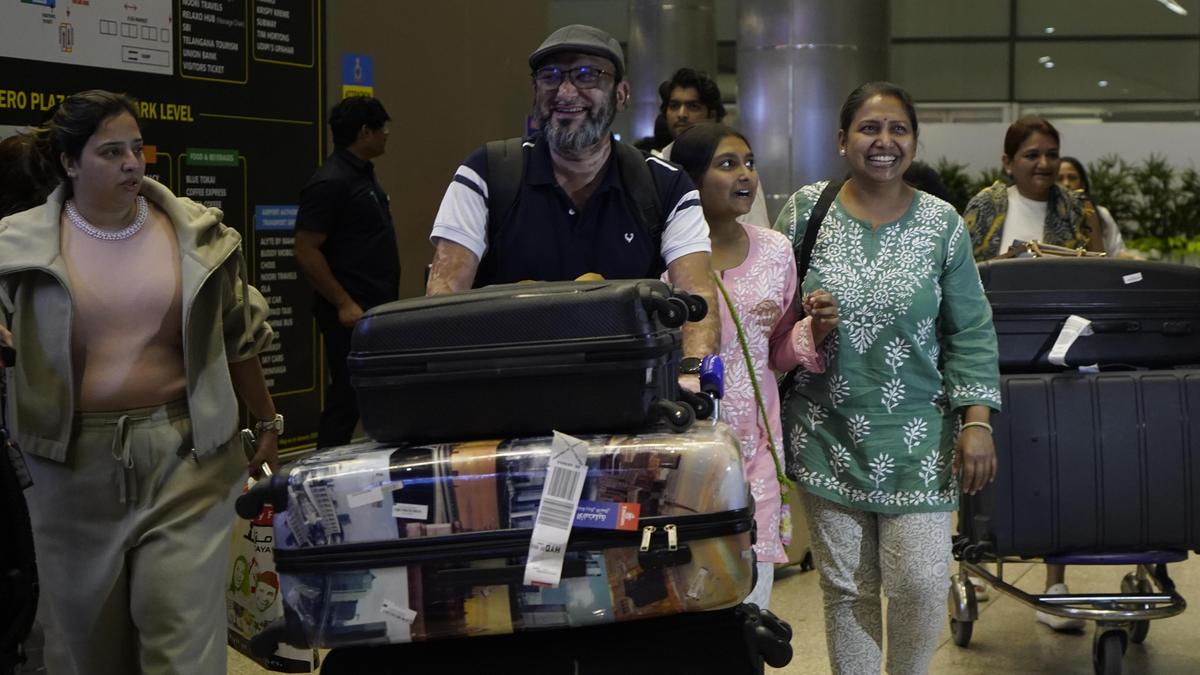
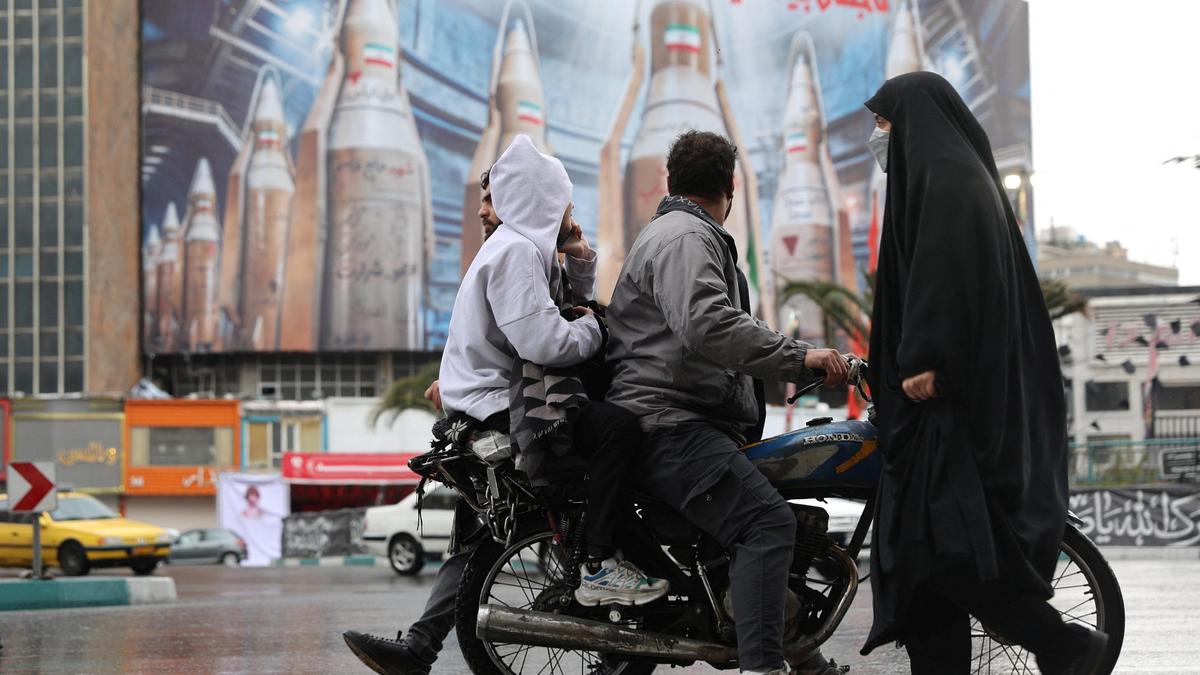
It has been over a fortnight since the U.S. and Israel attacked Iran and killed the country’s ‘Supreme Leader’, provoking a wider war in West Asia. In addition to the scores of human lives being lost to this deepening conflict in the region, the impact is already being felt around the world, amid fuel and gas shortages, cancelled flights, and uncertainty.
What are the stakes for the U.S., Israel, and Iran? How is the rest of the world responding as the “rules based world order” further crumbles? What are the options before India and how is New Delhi responding? — These are only some of the many questions that have arisen at this time of grave concern and precarity for all of us.
The Hindu’s team has been covering all key developments in this regard. Last Sunday, Iran’s Assembly of Experts, an 88-member clerical body, announced that it had chosen Ayatollah Mojtaba Khamenei, son of Ayatollah Ali Khamenei, the former Supreme Leader who was assassinated by a joint American-Israeli strike on February 28, as the country’s new leader.
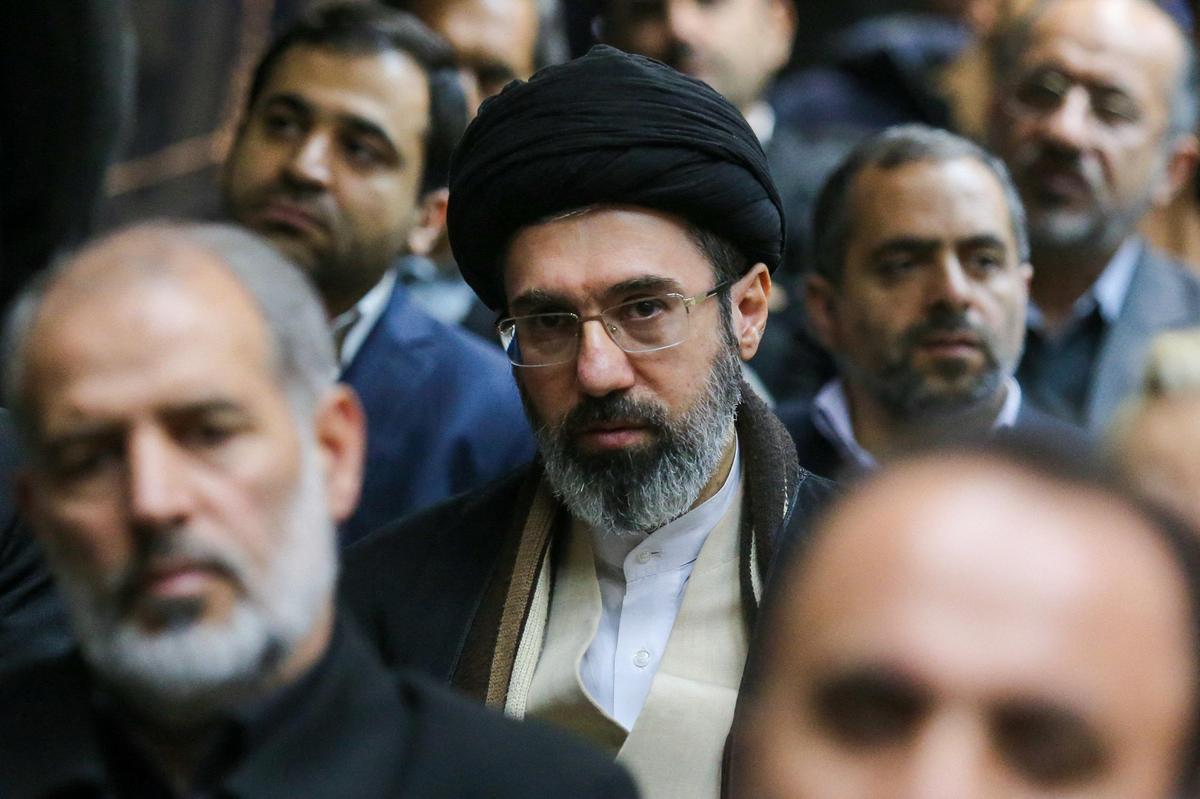
Iran’s new supreme leader, Mojtaba Khamenei (centre), the second son of late Iran’s Supreme Leader Ayatollah Ali Khamenei, attends a meeting in Tehran, Iran, July 18, 2016. File.
| Photo Credit:
Reuters
Who is Mojtaba Khamenei? Read this profile by our Foreign Affairs Editor Stanly Johny of a wounded man who lost his parents and wife, and later elected the ‘Supreme Leader’ of a nation under attack from the world’s most powerful country and its closest ally. He now faces a rare crisis his predecessors never confronted — to survive the storm and preserve the republic. Soon after his appointment, Mojtaba vowed revenge, saying the war would not be over unless enough enemy blood was shed. On Wednesday, the 12th day of the war, Iran set three conditions for ending the conflict. President Masoud Pezeshkian said: “The only way to end this war — ignited by the Zionist regime and U.S. — is recognising Iran’s legitimate rights, payment of reparations, and firm international guarantees against future aggression.”
Why President Trump chooses to persist with this war, with none of his expectations met, is baffling. He sought regime change in Iran and demanded talks and unconditional surrender—none of which materialised. Instead, Iran chose a leader Mr. Trump rejected and moved to close the Strait of Hormuz, sending energy markets into a tizzy. President Trump appears trapped in the escalation he fuelled.
“The U.S. and Israel miscalculated big time,” Mohammad Marandi, professor of English literature and orientalism at Tehran University, told Stanly Johny in an interview. Arab countries in the Gulf are not neutral players as they are hosting American bases, he said, adding: “As time goes on, the price of oil is going to go up. And the world knows that this is not Iran’s fault. This is the fault of the Trump regime and Netanyahu.” Read the full interview here.
“If Mr. Trump and Benjamin Netanyahu continue this war, the global economy will come under even greater stress. Whether they realise their grave miscalculation or not, the way forward is not more bombing. This war must be brought to an end immediately,” our recent editorial noted.
India’s response
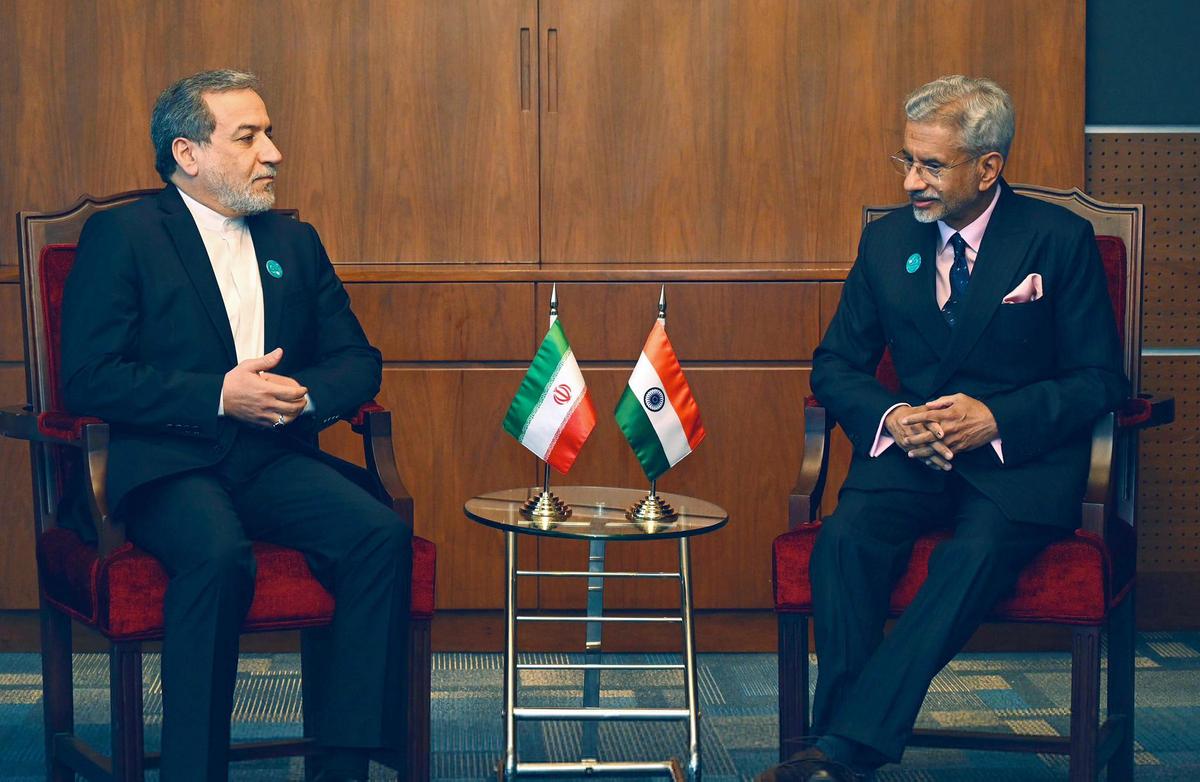
External Affairs Minister S Jaishankar meets Iran Foreign Minister, Seyed Abbas Araghchi, in Muscat. File
| Photo Credit:
ANI
Our Diplomatic Affairs Editor Suhasini Haidar has been closely tracking Iran’s outreach to India and India’s responses. Iran has urged India, the BRICS Chair, to ensure the grouping of developed countries plays a role in supporting “global stability and security”, as Iranian Foreign Minister Abbas Araghchi spoke to External Affairs Minister S. Jaishankar late on Thursday night.
This was a day after India co-sponsored a Gulf Cooperation Council (GCC) resolution at the United Nations Security Council (UNSC) along with 134 countries that demanded the “immediate cessation of all attacks by the Islamic Republic of Iran”. This drew attention since India has not condemned the attacks by the U.S. and Israel on Iran, in which an estimated 1,255 people have been killed, including Iran’s Supreme Leader Ayatollah Ali Khamenei, his family and advisors; the sinking of Iranian ship IRIS Dena in the Indian Ocean that had been hosted for exercises by India; or the bombing of a school in Mubin in which 150 schoolgirls are believed to have been killed.
New Delhi maintains that efforts to build a consensus within the BRICS on the ongoing conflict in the Gulf have been slow as several members of the grouping—including Iran, Saudi Arabia and the United Arab Emirates—are involved in the crisis.
WATCH: Gulf War 3.0 | What do India’s mixed signals imply? | Worldview with Suhasini Haida
Top 5 stories we are reading this week:
1. West Asia crisis: The Indians caught in the crossfire. In this Ground Zero feature, Kallol Bhattacherjee writes on how the missile and drone strikes, soaring prices, and communication blackouts consequent to the conflict have left civilians vulnerable
2. Oil prices reflect geopolitical risks, not only supply, writes Pankaj Sharma
3. Sri Lanka switches to QR code-based system to ration fuel sales amid crisis in West Asi
4. The fate of the Washington Consensus, once talisman – Shashi Tharoor argues that the Washington Consensus no longer fits a multipolar, digital and fragile world
5. DNA of authoritarianism | Suhasini Haidar speaks to Anne Applebaum on her book Autocracy, Inc
Published – March 16, 2026 01:30 pm IST